Best Printed Boxes for Your Business Needs?
In today's competitive market, customized packaging is crucial for business success. Printed boxes have emerged as a vital tool for branding and customer engagement. A recent report by IBISWorld indicates that the custom packaging industry is expected to reach $41 billion by 2025. This growth underscores the significance of quality printed boxes in capturing consumer attention.
The right printed boxes can enhance product visibility and differentiate brands from competitors. Research from Smithers Pira suggests that 72% of consumers prefer packaging that reflects the brand's identity. This preference shows how printed boxes contribute to consumer perception and loyalty. However, not all printed boxes fulfill these expectations.
Many companies struggle to strike a balance between aesthetics and functionality. Some options may look appealing but fail to safeguard the products within. This can lead to damaged goods and dissatisfied customers. It is essential to select printed boxes that not only look good but also offer durability and protection. In a world where first impressions matter, businesses must reflect on their packaging choices carefully.
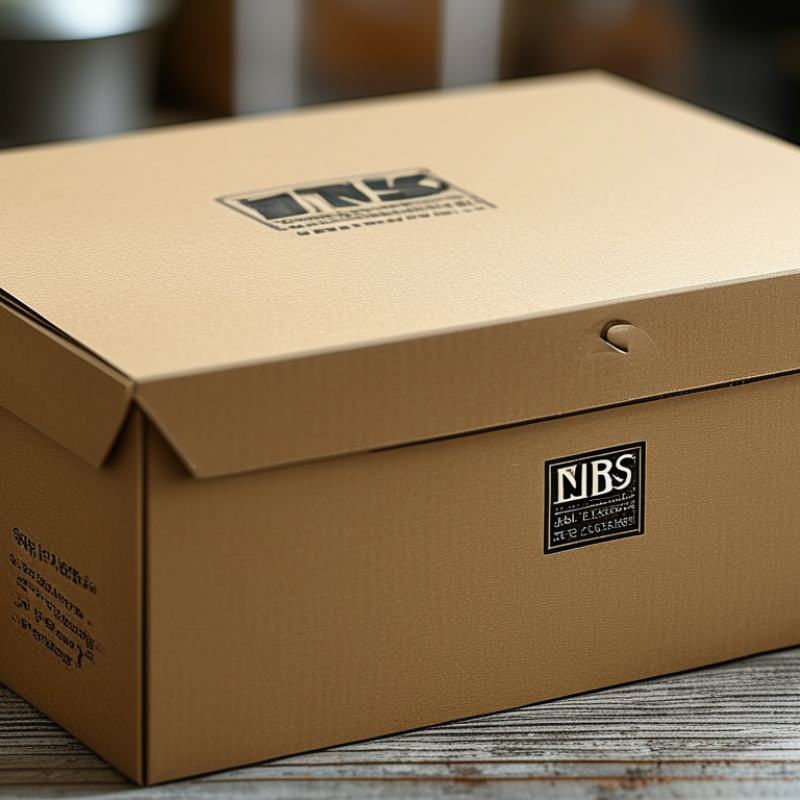
Best Printed Box Materials for Different Products and Industries
Choosing the right printed box materials is crucial for various industries. Different products require different types of protection. For example, e-commerce businesses often use corrugated cardboard. It’s sturdy and lightweight. This material is great for shipping fragile items. The right thickness can prevent damage during transit.
Retail products might benefit from folding cartons. They provide a professional look and are easy to assemble. This type of box offers excellent print quality for branding. Consumer goods, like cosmetics, often use rigid boxes. These create a premium feel, essential for luxury items.
Some industries, like food, require specific materials. Food-safe printed boxes must comply with safety standards. Utilizing biodegradable materials is also gaining popularity. It appeals to environmentally conscious customers. Businesses should consider long-term sustainability and the impact of packaging choices. This area often lacks clear solutions. Balancing cost, appearance, and functionality is a complex task. Each decision shapes the brand's image and customer experience.
Understanding the Impact of Customization on Brand Recognition
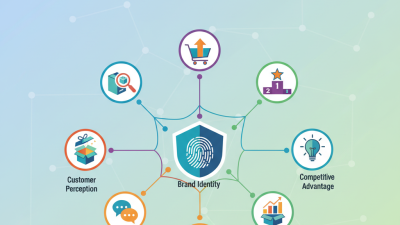
Customization plays a crucial role in brand recognition. When businesses invest in printed boxes, they create unique packaging that reflects their identity. Customized designs can incorporate logos, colors, and textures specific to the brand. This distinctiveness helps consumers immediately recognize the product on shelves.
Furthermore, custom packaging can evoke emotions. A well-designed box can excite customers before they even open it. For instance, a creative box design may enhance the unboxing experience. This emotional connection fosters loyalty and can turn first-time buyers into repeat customers.
However, customization requires a careful balance. Businesses must consider production costs and design complexity. Overly intricate designs may increase manufacturing time, affecting overall efficiency. Striking the right balance between uniqueness and practicality can be challenging. Not all businesses may find the ideal customization that suits their brand vision and budget.
Impact of Custom Printed Boxes on Brand Recognition
Cost-Effectiveness of Bulk Printed Boxes for Small Businesses
When it comes to packaging, bulk printed boxes can be a game-changer for small businesses. These boxes not only provide durability and protection for products but also offer a cost-effective solution for entrepreneurs on a budget. When printed in bulk, the cost per unit drops significantly, allowing businesses to allocate funds to other areas, like marketing or product development.
Imagine receiving a beautifully printed box that showcases a brand’s logo and design. This creates a professional image while also enhancing customer experience. Designing unique packaging can set a business apart in a crowded marketplace.
However, there may be challenges in finding the right design balance. Too many elements can lead to confusion, and simple designs may lack personality. Additionally, small business owners might discover that the initial investment can be daunting. It may take time to see a return on that investment. But, by analyzing customer feedback and product presentation, they can adjust their strategies. This responsive approach ensures that the packaging evolves with customer preferences, making each box a step toward greater success.
Sustainability in Printed Box Production: Eco-Friendly Options
In recent years, sustainability has become a pivotal focus in packaging solutions. Printed boxes made from recycled materials are now widely available. These boxes reduce waste and lower carbon footprints. Many manufacturers are exploring eco-friendly inks and adhesives. Such innovations enhance sustainability while maintaining print quality.
Using sustainable materials is not just good for the environment; it’s good for business. Customers increasingly prefer brands that prioritize eco-friendliness. This choice can lead to stronger loyalty and increased sales. However, challenges remain. Sourcing high-quality recycled materials can be difficult. Balancing cost and quality often requires careful planning.
Some businesses still hesitate to adopt these practices. They may doubt the performance of eco-friendly products. This skepticism can undermine potential benefits. Yet, the growing demand for sustainable options illustrates a clear market shift. Investing in eco-friendly printed boxes could be the future of responsible business.
Trends in Printed Box Design: Enhancing Customer Engagement
Printed box design is evolving rapidly. Engaging customers is a key priority for businesses today. According to recent industry reports, impactful packaging can increase brand recognition by up to 80%. Designs that reflect brand values resonate with consumers. Vibrant colors, unique shapes, and interactive features draw attention. Professional design elements improve customer perception.
Sustainability remains a significant trend. Packaging made from eco-friendly materials appeals to 73% of consumers, according to a survey by EcoFocus. Companies must consider this shift. Designs should not only capture attention but also align with customer values. Many brands are exploring minimalistic designs. Simple designs can provide clarity and enhance functionality.
However, there are challenges. Businesses may overlook usability when focusing on aesthetics. Packaging must be practical and easy to handle. There’s a risk of overcomplicating designs. This confusion can deter customers rather than attract them. Careful consideration of the balance between creativity and functionality is essential. Clear communication through packaging can improve customer experience immensely.