2026 How to Choose the Right Piston Filler for Your Needs?
Choosing the right Piston Filler can greatly impact your production efficiency. This equipment is crucial for industries like food, cosmetics, and pharmaceuticals. With various types available, making the right choice is key. A suitable piston filler enhances accuracy and minimizes waste.
When selecting a piston filler, consider your product's viscosity and particle size. Some models handle thicker liquids better while others cater to thinner products. It's essential to assess your production volume, as different fillers cater to different scales. Investing time in understanding your specific needs is vital for a successful purchase.
Many users overlook maintenance when buying equipment. A reliable piston filler should have accessible parts for cleaning and repairs. Poor maintenance can lead to costly downtimes. Always evaluate the manufacturer's reputation and customer support. A well-chosen piston filler will serve your production line efficiently and reduce long-term headaches. Aim for a machine that not only meets current demands but also allows for future growth.
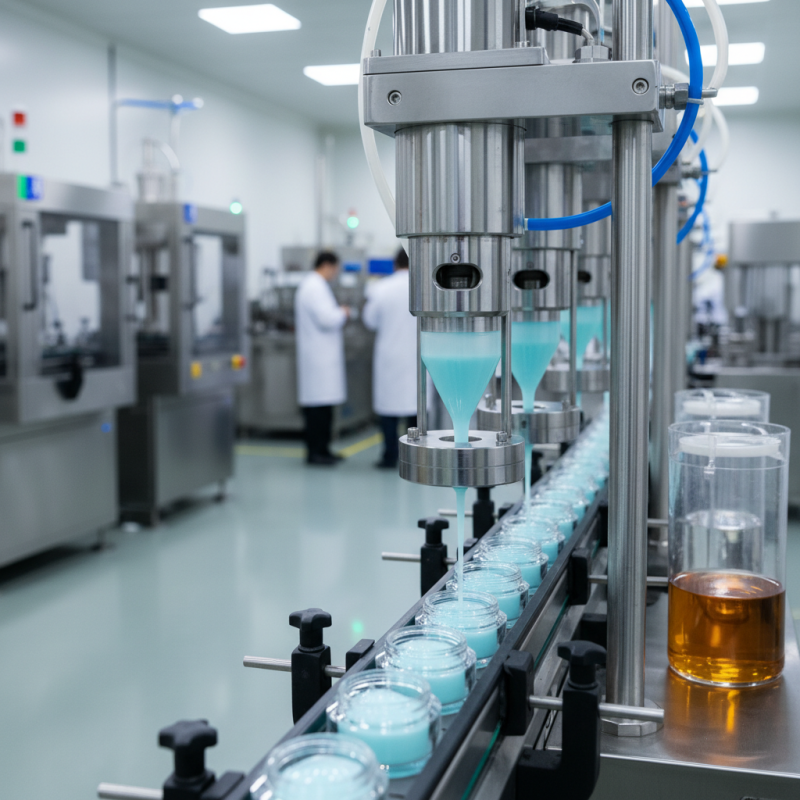
Understanding the Basics of Piston Fillers and Their Applications
Piston fillers are essential in various industries, including food, pharmaceuticals, and cosmetics. They work by drawing a predetermined volume of liquid into a cylinder. Then, the filler transfers this liquid into containers. Understanding how these devices operate is crucial before making a selection.
One key factor is the viscosity of the liquids being filled. Some piston fillers excel with thick substances, while others handle thinner liquids seamlessly. Different applications require different configurations. It’s important to look at the materials compatible with your product. Certain fillers may corrode or degrade with specific liquids.
An often overlooked aspect is maintenance. Regular cleaning is vital to ensure accuracy. Failure to maintain the equipment can lead to contamination and inaccurate fills. Research shows that manufacturers who prioritize upkeep gain reliability. Recognizing the importance of consistent performance can shape your choice. Evaluate your needs critically before settling on a piston filler.
2026 How to Choose the Right Piston Filler for Your Needs?
| Application | Filler Type | Capacity (ml) | Speed (Bottles/Min) | Ideal Viscosity (cP) |
| Food & Beverage | Gravity Piston Filler | 1000 | 30 | 100-500 |
| Cosmetics | Pneumatic Piston Filler | 500 | 45 | 10-300 |
| Pharmaceuticals | Manual Piston Filler | 250 | 15 | 1-100 |
| Industrial Chemicals | Electric Piston Filler | 2000 | 20 | 500-2000 |
| Sauces and Dressings | Semi-Automatic Piston Filler | 1500 | 25 | 100-800 |
Key Factors to Consider When Selecting a Piston Filler for Production
Choosing the right piston filler is crucial for any production line. You must consider various factors before making a decision. The type of product you'll be filling is essential. For example, different liquids and viscosities require distinct designs. Think about whether your product is thin like water or thick like honey. This will guide your selection process.
The size of your production runs matters too. If your operation is high-volume, you need a machine that can keep up. A slower model may cause bottlenecks. Look into ease of cleaning and maintenance as well. Some fillers are more complex and can be a headache to maintain. Always consider the long-term costs, not just the initial investment.
Don't underestimate support and training from suppliers. Having access to expertise can make a big difference when issues arise. You might find that some features, while appealing, may not fit your needs. Regularly reassess your filling requirements too. As your product line evolves, so may your choice of equipment. This adaptability can help you stay competitive in the market.
Comparing Different Types of Piston Fillers and Their Capacities
When choosing a piston filler, it's essential to compare different types based on your specific needs. There are various designs—gravity-fed fillers, vacuum fillers, and pressure fillers. Each type has its advantages and limitations. For example, gravity-fed fillers work best with thin liquids. They may not be suitable for thicker substances.
The capacity of each machine varies significantly. Smaller fillers handle volumes from a few ounces to a quart, suitable for artisan producers. Larger models can fill gallons, perfect for high-volume operations. However, it's crucial to reflect on your production scale. Investing in a large-capacity machine without adequate demand can lead to wasted resources.
Consider the materials you will be filling. Some piston fillers handle abrasives well, while others struggle. The need for periodic maintenance also varies. Choosing a machine with low upkeep can save time and expense. Ultimately, evaluate your specific requirements carefully. Balancing capacity, flexibility, and reliability ensures you find the right piston filler for your operation.
Evaluating Piston Filler Features to Optimize Efficiency and Accuracy
Choosing the right piston filler can significantly enhance your production process. To optimize efficiency and accuracy, focus on the features that matter most for your specific needs. Consider the filler’s material compatibility, as this can affect both product integrity and longevity. A filler that can handle various viscosities expands your range of applications.
Tips: Assess your current filling process. Identify any inefficiencies that a new piston filler could address. Understanding your workflow will lead to better choices.
Another crucial feature is ease of cleaning. Frequent maintenance is essential, and an easy-to-disassemble design saves time. Complex machinery may lead to operational delays and increased downtime. Always weigh the initial cost against long-term benefits.
Tips: Create a checklist of must-have features. Including factors like speed, precision, and maintenance will clarify your priorities. Consider consulting with industry experts to gain insights tailored to your unique situation.
Industry Trends and Innovations in Piston Filling Technology for 2026
The piston filling technology is evolving rapidly. In 2026, industry trends highlight the significance of precision and efficiency. Recent reports indicate a surge in demand for high-speed piston fillers. A study by the Packaging Machinery Manufacturers Institute shows an estimated growth of 8% in this sector annually. Manufacturers are focusing on features that allow for accuracy within ±1% of fill volume.
One emerging trend is the integration of smart technology. Advanced sensors and IoT connectivity enhance monitoring capabilities. This evolution enables better quality control and reduces waste. According to research by Freedonia Group, the shift towards automation could cut operational costs by 15% to 20%. However, transitioning to these smart systems can pose challenges. Companies need to invest in employee training to fully leverage these advancements.
Sustainability also drives innovation in piston filling. Many firms are exploring eco-friendly materials and energy-efficient designs. A report from the Food and Beverage Industry indicates that sustainable packaging could influence purchasing decisions for 75% of consumers. However, balancing environmental benefits with operational efficiency remains a critical area for reflection. The industry must prioritize solutions that address both sustainability and productivity.
2026 Trends in Piston Filling Technology