How to Choose the Best Product Boxes for Your Business?
Choosing the right product boxes is crucial for any business. These boxes not only hold your items but also reflect your brand's identity. They protect your products while making a statement about quality and care. With many options available, it can be overwhelming to find the perfect fit.
When selecting product boxes, consider your specific needs. The material plays a significant role in protection and presentation. Cardboard boxes are popular, but eco-friendly options are gaining traction. Think about size, design, and customization too. Each aspect impacts how customers perceive your brand.
It's important to acknowledge that the wrong choice can lead to issues. Poor packaging can result in damaged products and dissatisfied customers. Reflect on your brand values as you explore box options. A thoughtful choice can enhance customer experience and contribute to your business's success.
Understanding the Importance of Product Packaging in Consumer Decisions
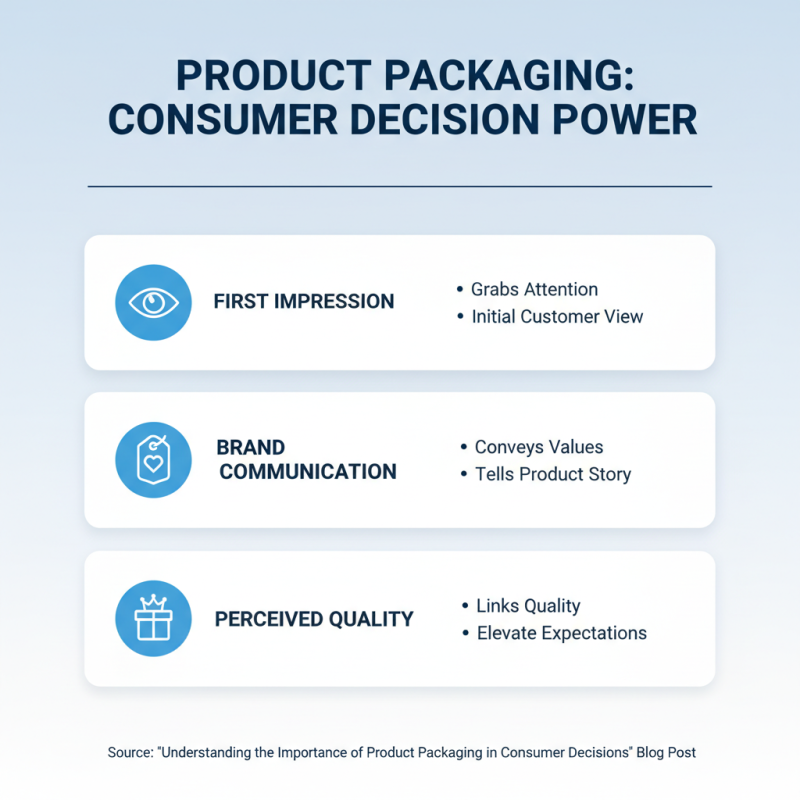
Packaging plays a critical role in consumer decisions. It’s the first thing a customer sees. Effective design grabs attention. It communicates brand values. Consumers often associate packaging quality with product quality. A well-designed box can elevate expectations.
Consider the materials used. A sturdy, eco-friendly option can enhance appeal. The texture and color should resonate with your target audience. Think about how your product will reflect your brand. Imperfections in design can create a sense of authenticity. However, overly complicated packaging may confuse rather than attract buyers.
Focus on clarity and simplicity. Packaging should tell a story without overwhelming details. Too much information can detract from the product itself. Regularly seek feedback on your packaging choices. Revise based on consumer reactions. This approach can foster trust and loyalty over time. Remember, packaging is a continuous process that evolves with consumer preferences.
Identifying Your Target Market for Customized Product Box Solutions
Identifying your target market is crucial in choosing the right product boxes. Understanding customer preferences helps tailor your packaging. Research your audience's demographics, preferences, and buying behavior. This insight drives your packaging design, ensuring it resonates with consumers.
Tips: Create surveys to gather opinions. Use social media to engage with your audience. Analyze competitors to spot market trends.
A good product box reflects brand values. For young consumers, vibrant designs may appeal more, while a minimalist style may attract a professional demographic. It's vital to iterate and rethink design choices based on feedback. Sometimes, even the best ideas may miss the mark.
Tips: Test different designs with focus groups. Be open to changing your approach based on testing results. Assess your packaging regularly to stay aligned with customer needs.
Choosing the Best Product Boxes by Market Type
Evaluating Different Materials and Their Impact on Product Protection
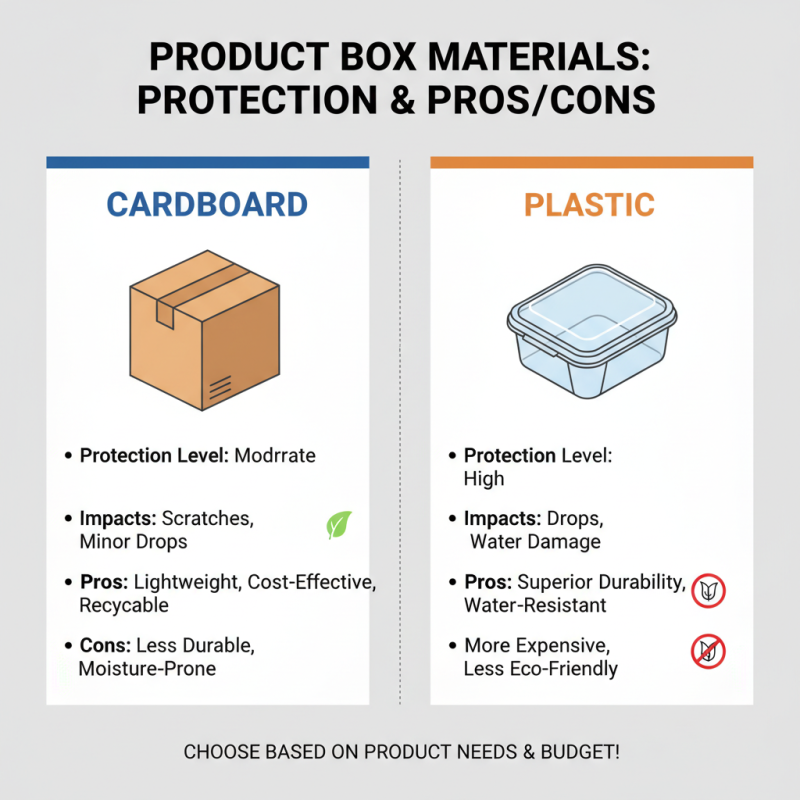
When selecting product boxes, material choice is crucial. Different materials offer varying levels of protection, affecting how well your products are safeguarded. Cardboard, for example, is lightweight and cost-effective, yet may not withstand rough handling. On the other hand, plastic offers superior durability and moisture resistance but can be more expensive and less environmentally friendly. Consider your specific needs and the nature of your products carefully.
Tips: Test samples of various materials before making a bulk order. Evaluate how they perform against impact and moisture. A strong box may add weight but enhances product safety.
Another popular material is corrugated cardboard. It's excellent for cushioning products but can be less protective if not designed correctly. Ensure that the box dimensions align with product size. An oversized box may lead to movement inside, increasing the risk of damage. Small flaws in design or material can have significant consequences. Reflect on how your packaging decisions will impact your brand’s reputation.
Tips: Involve your team in material discussions. Diverse viewpoints can reveal potential issues. Always gather feedback on prototypes. A box's appearance can boost perceived value, so consider aesthetics as well.
Assessing Cost vs. Quality: Finding the Right Balance for Your Budget
Choosing the right product boxes for your business involves a careful assessment of
cost versus quality. Research indicates that
70% of consumers base their purchasing decisions on packaging. This makes it clear
that investing in quality boxes can enhance customer perception. However, the financial implications
must also be considered.
A study by Smithers Pira shows that the packaging market is expected to grow by
3.5% annually. Brand owners need to find a
balance. Selecting higher-quality materials can boost durability and aesthetic appeal, but it often
comes at a premium. For small businesses, this can strain budgets. For instance, premium boxes
can cost 20% to 30% more than standard options.
It's beneficial to assess your target market. If your brand targets eco-conscious consumers, investing
in sustainable packaging may justify higher costs.
Research suggests that 72% of consumers are willing to pay more for eco-friendly
packaging. This trade-off between cost and quality can lead to meaningful discussions about your brand's
identity and values. Remember, investing in quality can yield better returns, but always analyze the
specific needs of your business.
Sustainable Packaging Options: Aligning Your Business with Eco-Friendly Values
Choosing packaging that reflects eco-friendly values is crucial for modern businesses. According to a 2021 McKinsey report, 67% of consumers are willing to pay more for sustainable products. This shift underscores the need for brands to adopt sustainable packaging. Opting for recyclable, biodegradable, or compostable materials can significantly reduce your environmental footprint.
Tips: Evaluate your material choices. Ensure they are recyclable in most locations. Utilize local resources to minimize transportation emissions. Emphasize transparency in your sustainability efforts. Engage customers by sharing your packaging choices on social media. Let them see the impact they’re making.
Sustainability can be a challenge. Not all packaging solutions fit every product. Some eco-friendly materials might not offer the same durability as traditional options. A 2020 Nielsen study highlighted that 38% of consumers prioritize material impact over brand loyalty. This indicates potential pitfalls in selecting the wrong packaging. Balancing aesthetics, functionality, and environmental considerations is essential. It's also crucial to continually reassess your packaging strategy. Are your materials achieving the desired environmental impact? Are consumers responding positively?