Top Tips for Choosing Custom Corrugated Boxes for Your Business?
In today’s competitive market, choosing the right packaging solution is crucial for business success. Custom corrugated boxes have emerged as a leading choice for many industries. According to a recent study by Smithers Pira, the global demand for corrugated packaging is projected to reach 250 billion square meters by 2026. This growth highlights the importance of selecting custom options that meet specific business needs.
The versatility of custom corrugated boxes caters to various sectors, including e-commerce, food, and fragile goods. They offer superior protection, reducing damage during transit. Businesses report that investing in quality packaging can elevate brand perception. In fact, over 70% of consumers believe that packaging reflects the quality of a product.
However, with numerous choices available, businesses must navigate the complexities of material selection, design, and cost-effectiveness. It's easy to overlook essential details, such as sustainability or customization options. A thoughtful approach can make a significant difference. Finding the right balance can enhance customer satisfaction and drive sales. Custom corrugated boxes might be the perfect solution, but careful evaluation is key.
Understanding Custom Corrugated Boxes and Their Benefits
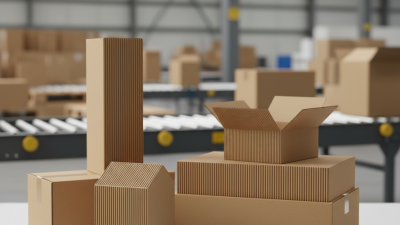
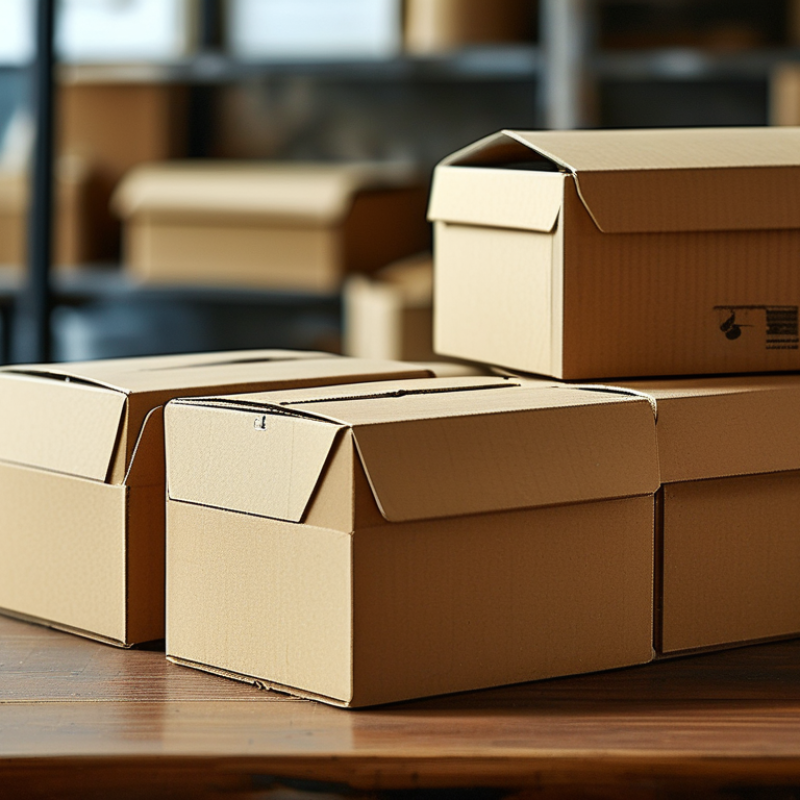
Custom corrugated boxes are essential for many businesses. They provide protection and efficient shipping solutions. Understanding their benefits can help in selecting the right options. The material is lightweight yet sturdy. This ensures that products remain safe during transit. Additionally, custom designs can enhance brand visibility.
Each box can be tailored to fit specific products. This means reduced waste and better packing efficiency. Businesses can also choose different sizes and strengths based on their needs. This customization creates a unique unboxing experience for customers. The right packaging reflects professionalism and care.
However, many companies overlook the importance of testing. Not every design will meet shipping standards. Some materials may not hold up under pressure. This can lead to damaged goods and unhappy customers. It’s wise to evaluate options and possibly revise designs based on feedback. Custom boxes should not just look good; they must perform well too.
Factors to Consider When Choosing Size and Shape for Your Boxes
Choosing the right size and shape for custom corrugated boxes is crucial for effective packaging. Your boxes should snugly fit your products to minimize movement during transport. According to a 2022 industry report, poorly fitting boxes can increase damage rates by up to 30%. This not only affects customer satisfaction but can also elevate costs due to returns and replacements.
When determining box size, measure the product dimensions accurately. Consider the weight and fragility of the items. For heavier products, reinforced corners and double-wall construction can provide extra protection. A thoughtful design ensures products arrive safely. Use nesting techniques for smaller items to maximize space, reducing shipping costs. Remember, a sustainable approach matters too. Using the right-sized boxes can drastically cut down on waste.
Don't ignore the shape. Rectangular boxes are standard, but other designs can optimize space and enhance presentation. According to a survey, 70% of customers prefer unique, custom shapes that reflect brand identity. Explore options like die-cut boxes, which can add a distinctive touch while maintaining functionality. As you make these choices, reflect on the balance between practicality and aesthetics. It's not always easy, but the right decisions can significantly impact your brand’s reputation.
Material Options: Selecting the Right Corrugated Cardboard Type
When selecting custom corrugated boxes for your business, the choice of material is crucial. Corrugated cardboard comes in various grades, which can impact the strength and durability of your packaging. Understanding the differences among single-wall, double-wall, and triple-wall options is essential.
Single-wall designs are best for lighter items. Double-wall offers more protection for heavier goods. The triple-wall option provides the highest strength, ideal for fragile or heavy products.
Consider your product's weight and fragility when choosing materials. You might overlook the importance of moisture resistance. If you ship items that may encounter moisture, opt for water-resistant coatings. Ensure the cardboard's thickness aligns with the shipping distance and method. A thicker cardboard can withstand rough handling, while a thinner option might suffice for local deliveries. Reflect on potential packaging issues. Misjudging the right material can lead to higher shipping costs and damaged products. Always seek feedback on the box's performance from your team. This can guide you in making better choices in the future.
Design Elements: Customization and Branding Opportunities
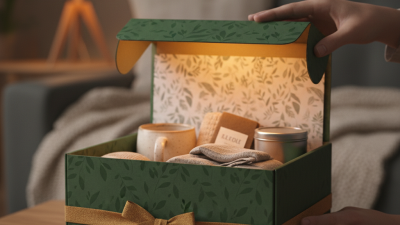
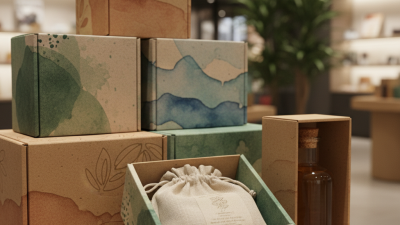
When it comes to custom corrugated boxes, design elements play a crucial role. Strong branding is essential for any business. Your packaging is often the first thing a customer sees. Using vibrant colors and unique graphics can make a lasting impression. Think about your brand’s identity. Are your colors bold? Do your designs reflect the essence of your products? These elements should resonate with your target audience.
Customization provides endless opportunities. Consider adding a logo, tagline, or even a specific texture. This personal touch can elevate your packaging. However, avoid overcomplicating the design. A cluttered box can confuse customers. Striking a balance between creativity and simplicity is key. Pay attention to the size and fit of your boxes too. An ill-fitted box can lead to damage during shipping. Look at prototypes before final production to ensure everything aligns with your vision.
Reflect on how your packaging makes customers feel. Does it evoke excitement or confusion? Engaging customers through thoughtful design can enhance their experience. Packaging is not just about protection; it’s about creating a connection. Use design to tell your story. This can transform a simple box into a memorable part of your brand’s journey.
Cost-Effectiveness: Balancing Quality and Budget for Your Business
When selecting custom corrugated boxes for your business, cost-effectiveness is crucial. Balancing quality and budget can seem daunting.
However, with thoughtful planning, it’s achievable. High-quality boxes may have a higher initial cost, but they can save you money in the long run.
Durable boxes reduce damage rates during shipping. This leads to fewer replacements and enhanced customer satisfaction.
Consider the materials used in production. Some manufacturers offer cheaper options that compromise quality.
These may save money upfront but lead to higher losses over time.
Look for reliable suppliers who provide transparency about their materials and production processes.
This ensures you are investing in quality while staying within budget.
Understanding your specific packaging needs also plays a role. Frequent shipping of fragile items requires robust designs.
If your items are less delicate, consider simpler, less expensive options.
By analyzing your packaging requirements, you can identify the best fit. This approach allows for flexibility without sacrificing quality.
Always review past orders and feedback to refine future choices.
Cost-effectiveness is often a journey of trial and error, but learning from each experience is essential.