How to Choose Custom Made Boxes for Your Business in 2026
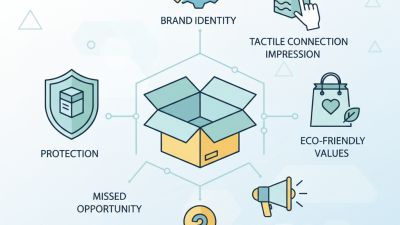
A box is often the first physical part of your brand a customer touches. Its fit, strength, and opening experience can shape what happens next. In 2026, choosing custom made boxes means balancing product protection, shipping costs, shelf appeal, and material use—not simply adding a logo. Small details matter. A snug insert can stop a ceramic jar rattling; an oversized carton can waste space and raise freight costs.
The stakes are growing. Smithers’ research, The Future of Global Packaging to 2028, forecasts the global packaging market will reach approximately $1.2 trillion by 2028. McKinsey’s 2020 global consumer survey found that 60–70% of respondents would pay more for sustainable packaging. These figures offer useful context, not a guarantee that every customer will pay a premium. Your buyers, product category, and price point still matter. Measure before you commit.
The unboxing experience also deserves practical attention. Steve Jobs is widely quoted as saying, “Packaging can be theater; it can create a story.” For a business, that story should begin with a box that arrives intact and opens without frustration. Compare board strength, dimensions, print methods, minimum order quantities, and supplier samples. Ask how each choice affects cost and damage rates. A beautiful prototype is not proof of reliable performance at scale. That is easy to forget. This guide explains how to evaluate those trade-offs and choose custom made boxes that work for your products, operations, and customers in 2026.
What Custom Made Boxes Are and How They Serve Business Needs
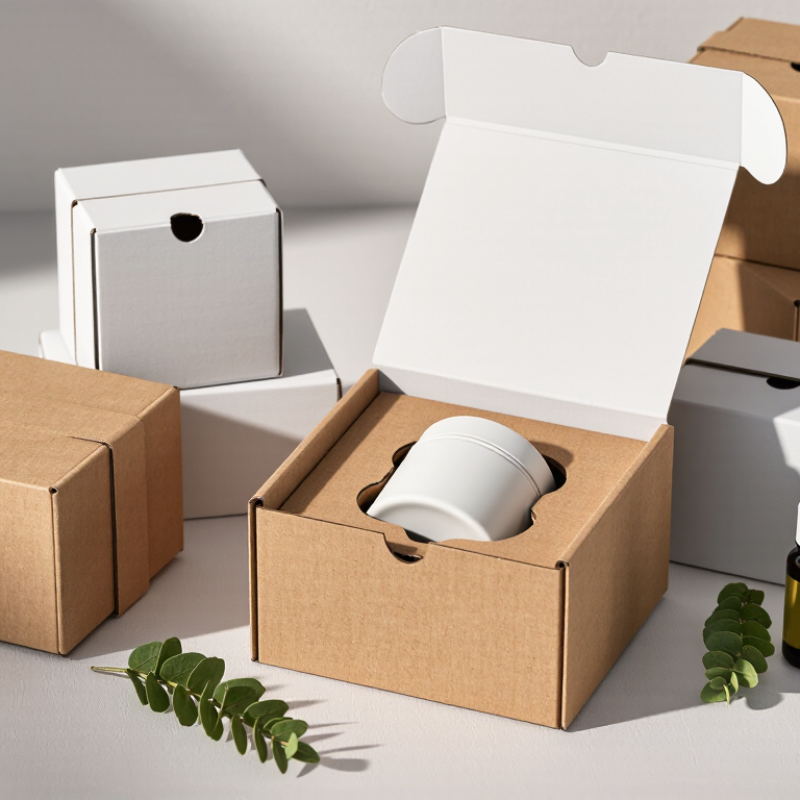
Custom made boxes are packaging designed around a product’s dimensions, weight, and handling needs, rather than chosen from a standard size. A small candle, for example, may need a snug insert to prevent movement and a sturdy outer carton for shipping. The box can also carry printed instructions, product details, or a visual style that fits the business. It is both a protective container and a practical point of contact with customers.
Businesses use custom boxes to reduce excess space, improve product presentation, and make packing more consistent. A well-fitted carton can limit rattling, though it cannot replace suitable cushioning for fragile items. Material choice matters too: a lightweight folding carton may suit retail shelves, while corrugated board is often better for heavier deliveries. Ask suppliers for samples and test them with the actual product. Check how the box opens, whether staff can pack it quickly, and whether labels sit flat. The first sample may still feel slightly wrong. That is useful feedback, not a failure. In 2026, order quantities, storage space, shipping conditions, and the unboxing experience all deserve attention before approving a final design.
How to Define Your Product, Shipping, and Branding Requirements
How to Choose Custom Made Boxes for Your Business in 2026
How to Define Your Product, Shipping, and Branding Requirements
Start with the product, not a box catalogue. Measure its length, width, and height, then allow room for protective inserts without letting the item slide. Note its weight, fragile points, and how customers open it. Measure twice. A snug fit can reduce movement, but an overly tight box may crush corners or slow packing. The U.S. EPA’s 2018 Advancing Sustainable Materials Management report counted 82.2 million tons of containers and packaging in the U.S. waste stream—28.1% of municipal solid waste. That figure covers many packaging types, not boxes alone, but it underscores why right-sized designs matter.
Next, map the shipping journey: parcel or pallet, local or long-distance, and likely stacking or handling. A box that survives a desk test may fail after drops, vibration, or damp storage. Ask a packaging specialist about testing against relevant parcel-shipping procedures, such as ISTA 3A, and check the packed box—not just the empty carton. Test it. Record damage, packing time, and material use during a small trial; revise the design if results disappoint. Then define branding needs: print area, colors, labels, and whether customers see the box before opening it. Keep key instructions readable near seams and folds. A polished mock-up can still hide a weak corner, so leave room for another prototype.
How to Choose Box Materials, Structure, and Dimensions
How to Choose Custom Made Boxes for Your Business in 2026
Choosing a box starts with the product, not the artwork. Corrugated board suits heavier items and shipping routes, while folding carton works better for lightweight retail products. The 2024 Smithers report forecasts continued growth in global e-commerce packaging, increasing pressure on companies to balance protection, cost, and material efficiency. A box that looks premium but arrives crushed is still a poor choice.
Structure matters in practical ways. Test mailer, tuck-end, and rigid styles with the actual product inside. Add inserts when movement can cause scratches, leakage, or broken corners. Measure the item, then allow only the clearance needed for protection. Oversized boxes increase void fill, shipping volume, and handling costs. The International Safe Transit Association recommends performance testing that reflects real distribution hazards, including vibration, compression, and drops. Laboratory results help, but field experience can reveal problems faster. I have seen attractive packaging fail because the closure was difficult to open.
Tips: Select recycled content only when it meets strength requirements. Ask for a material specification and compression-test result. Record the box’s length, width, and height externally. Test a small production batch before approving thousands of units. Review the design after customer feedback; the first version is rarely perfect. According to the Sustainable Packaging Coalition’s guidance, right-sizing and material reduction should be evaluated alongside recyclability, not treated as separate goals.
How to Choose Custom Made Boxes for Your Business in 2026
Typical corrugated flute thickness can help guide your box material and structure choice. Thicker flutes generally provide more cushioning, while thinner flutes can suit compact packaging. Actual thickness varies by board grade and manufacturer.
Approximate nominal flute thicknesses; confirm specifications with your packaging supplier. Choose box dimensions to fit the product snugly while allowing room for protective inserts.
How to Plan Packaging Design, Printing, and Protective Features
Planning custom packaging starts with the product, not the artwork. Measure its length, width, and height, then allow room for inserts or padding. A snug fit can reduce movement, but an overly tight box may crush corners or slow packing. Test a sample with the actual product. Then test it again after a short drop. Real results can be humbling.
Design should guide the customer’s eye without hiding practical details. Use readable type, clear opening instructions, and colors that remain distinct under warm warehouse lighting. Before approving a print run, request a physical proof. Screens can make small text look sharper than it will on cardboard. Check folds, ink coverage, and the position of every panel. One misplaced logo can land across a crease.
Choose printing methods and protective features based on use, quantity, and handling conditions. A simple one-color print may suit routine shipments, while delicate items may need dividers, molded inserts, or reinforced edges. Ask a packaging supplier about board strength and print tolerances, and compare samples rather than relying only on specifications. Moisture-resistant coatings can help in damp routes, but they may change the finish or recycling options. There is no perfect box for every situation; document what failed in testing, adjust the design, and keep a sample for future checks.
How to Compare Suppliers, Costs, and Sustainability in 2026
When comparing custom box suppliers in 2026, request quotes for the same dimensions, board grade, print coverage, order quantity, and delivery location. A low unit price can hide setup fees, minimum orders, or costly freight. Ask for a sample made to your specification, then check whether it protects the product during stacking and shipping. Small details matter. Compare lead times and defect policies in writing, too.
Sustainability claims need evidence.
The US Environmental Protection Agency reported that containers and packaging generated
82.2 million tons of municipal solid waste in 2018, or
28.1% of the total. The OECD’s Global Plastics Outlook found that just
9% of global plastic waste was recycled in 2019. The figures cover broad waste categories, not any one box, but they show why material choice deserves scrutiny.
Ask suppliers for the box’s recycled-fibre content, material specifications, and credible documentation for environmental claims. Check whether local collection systems accept the finished packaging. A recyclable design is less useful where it cannot be collected.
That is not enough. I would also compare box weight, protective performance, and shipping impacts; lighter packaging can reduce material use, but only if products remain safe. No supplier can promise a perfect trade-off.