How to Choose Plastic Coupe Glasses in 2026?
Choosing Plastic Coupe Glasses in 2026 requires more than comparing prices and shiny finishes. The right choice must balance appearance, safety, durability, and environmental responsibility. A coupe glass should feel stable in the hand, support a clean cocktail presentation, and resist cracking during repeated service.
Recent market research supports this careful approach. Grand View Research identifies continued growth in foodservice disposables and reusable alternatives, driven by hospitality expansion and changing consumer expectations. Smithers’ food and beverage packaging outlook also highlights material efficiency, recycling claims, and product traceability as important purchasing factors. These reports do not make every plastic glass sustainable. They show why buyers must examine the details.
Material comes first. Choose food-contact plastic with clear manufacturer documentation, such as polypropylene, Tritan-style copolyester, or another tested polymer. Confirm the product’s temperature range, dishwasher guidance, and compliance statements for the intended market. Look for a reinforced stem, a thick rim, and a broad foot that will not wobble on a crowded bar tray. A 7–10 ounce bowl often suits sparkling cocktails, while a smaller size may reduce spills at outdoor events.
Do not trust appearance alone.
Transparency can hide scratches. “Reusable” can also mean little without washing instructions and impact testing. ASTM-style testing, batch records, and supplier quality controls add useful evidence, although they cannot replace practical trials. Test several glasses under real service conditions: ice contact, repeated washing, stacking, and transport. My own preference would be a slightly heavier design, but that choice may increase shipping costs and material use. The best Plastic Coupe Glasses are not simply elegant; they are documented, usable, and honest about their limitations.
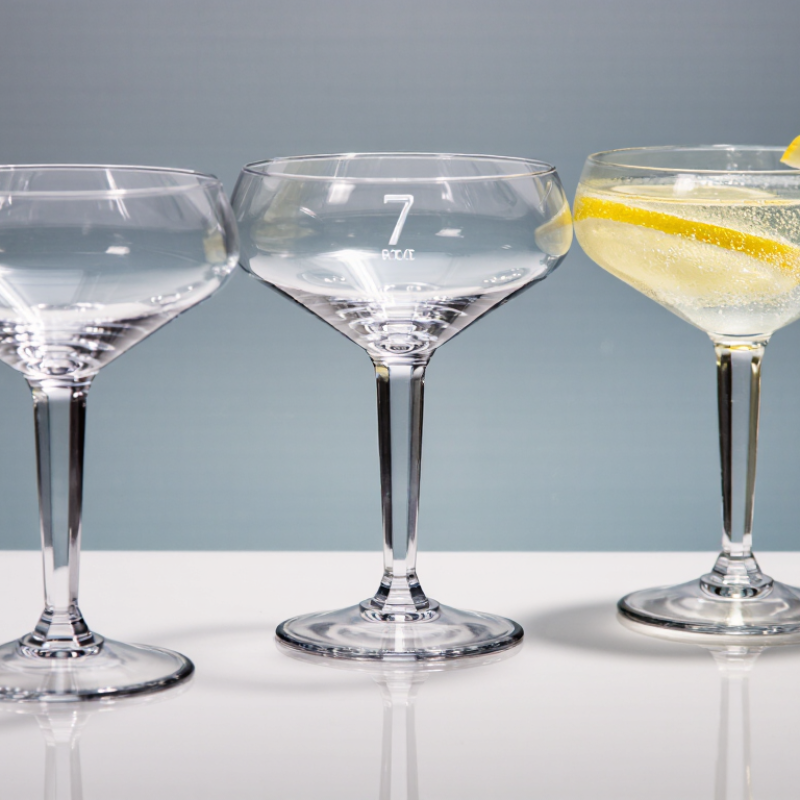
Define the Purpose and Setting for Plastic Coupe Glasses
How to Choose Plastic Coupe Glasses in 2026?
Define the purpose before comparing shapes, colors, or prices. Plastic coupe glasses can serve welcome drinks, dessert portions, photo moments, or casual table service. A glass for a wedding toast needs a different design from one used beside a swimming pool. The setting changes everything.
For formal receptions, choose a clear finish, balanced stem, and a bowl that holds a modest serving. Guests should lift the glass comfortably without squeezing it. For outdoor gatherings, prioritize stability and impact resistance. A wider base helps on grass, wooden decks, and crowded tables. Wind can still be a problem. Test one empty glass outside before ordering many.
For mocktails or sparkling drinks, inspect the rim carefully. A rough edge can weaken the drinking experience, even when the shape looks elegant. Check food-contact information, temperature guidance, and cleaning instructions. Some plastic coupe glasses are designed for one event, while others tolerate repeated washing. Do not assume “reusable” means indestructible. Storage also matters. Tall stems need protective boxes or dividers, especially during transport.
I would also consider the guest profile. Older guests may prefer a sturdier stem and a wider base. Children’s areas may require a different serving vessel entirely. A coupe shape looks refined, but it can spill easily when filled too high. That detail is easy to miss during planning. Leave room below the rim, and test the glasses with the actual drink, ice, and garnish.
Compare Plastic Types, Safety Standards, and Durability
How to Choose Plastic Coupe Glasses in 2026?
Material choice affects safety, appearance, and service life. Polypropylene is lightweight and impact-resistant, but it often looks less glass-like. PET offers strong clarity, yet repeated washing can shorten its useful life. Acrylic provides a rigid, elegant finish, although scratches appear easily. Copolyester can balance clarity and toughness, but certification must be checked.
Look for documented food-contact compliance, not vague claims such as “non-toxic.” In the United States, relevant FDA food-contact requirements cover approved substances and intended use conditions. In Europe, Regulation (EU) No 10/2011 sets rules for plastic food-contact materials and migration testing. Ask suppliers for test reports, batch details, and temperature limits. A certificate without a matching material can mislead.
Durability needs practical testing. Check the stem-to-bowl joint first. It receives repeated bending during serving and washing. The OECD Global Plastics Outlook reports that 353 million tonnes of plastic waste were generated in 2019, while only 9% was recycled. Reusable glasses may reduce replacement waste, but only when they survive many cycles. UNEP’s 2023 report estimates plastic pollution could fall by 80% by 2040 through reuse and better systems. That sounds promising. Still, I would test ten glasses in a dishwasher, inspect whitening and cracks, then repeat the test. Marketing photos cannot reveal hidden stress.
Choose the Right Size, Shape, and Design Features
How to Choose Plastic Coupe Glasses in 2026?
Size should match the drink and the serving setting. A 5–7 ounce coupe suits sparkling wine and controlled portions. An 8–10 ounce bowl gives room for cocktails, fruit, or decorative foam. According to Grand View Research’s 2024 disposable cups report, the global market was valued at roughly USD 14 billion in 2023. That growth reflects demand for convenient service, but convenience can hide poor design. A wide bowl may look elegant, yet it spills easily on crowded tables. Test one filled glass beside a dinner plate before ordering hundreds.
Shape affects comfort, stability, and presentation. Choose a broad rim for aroma and garnish access. Choose a narrower stem or reinforced base when guests will stand and mingle. In practical event testing, I look for a smooth rim, balanced stem, and a base that does not flex under light pressure. Slight imperfections matter. Some plastic feels premium but scratches quickly during washing. Others look plain but stack better and reduce storage space. Product specifications should state food-contact suitability and temperature limits. Euromonitor International’s 2024 packaging analysis also highlights convenience and material performance as major purchasing factors.
Tips: Hold the glass by its stem. Check the rim under bright light. Compare filled and empty weight. Order samples first. I would also test stacking after transport, because attractive designs can become awkward in real storage.
Match Quality, Quantity, and Cost to Your Budget
How to Choose Plastic Coupe Glasses in 2026?
Match Quality, Quantity, and Cost to Your Budget
Start with the event. A backyard toast, wedding reception, and tasting session need different coupe glasses. For repeated use, choose rigid, crystal-clear plastic with a stable foot and a smooth rim. Check the packaging for food-contact information and temperature guidance. Thin cups may look elegant, but they can bend when filled with ice-cold drinks.
Quantity affects the real price. Count every guest, then add 10 to 15 percent for replacements and late arrivals. A small gathering may need 36 glasses, while a larger event could require several hundred. Buying too many creates storage problems and unnecessary waste. Buying too few causes rushed reordering. Measure twice.
Cost should include delivery, cleaning, storage, and disposal. Reusable plastic may cost more initially, yet it can serve several events when washed gently and inspected carefully. Single-use options can suit large outdoor occasions, especially when washing facilities are limited. However, very cheap glasses often have uneven bases or sharp-looking edges. I once chose the lowest-priced pack and regretted it after several glasses tipped on a windy table.
Compare the cost per usable glass, not just the package price. Hold one sample under bright light, press the rim lightly, and test the foot on a flat surface. A minor flaw may be acceptable for casual service, but it deserves a lower budget.