How to Choose the Right Sachet Film for Your Products?
In the ever-evolving packaging industry, choosing the right Sachet Film is crucial for product success. According to Dr. Emily Johnson, a leading expert in flexible packaging, "The right sachet film can significantly enhance product shelf life and customer satisfaction." This highlights the importance of selecting the appropriate materials and designs for your products.
When considering sachet films, various factors come into play. Different films offer distinct barrier properties, aesthetics, and cost implications. Inconsistent quality or poor choices can lead to product spoilage or consumer dissatisfaction. Understanding your product’s specific needs will help narrow down the options.
Moreover, testing and feedback are essential. The initial choice might not always yield desired results. Packaging experts suggest experimentation is necessary. Finding the ideal sachet film requires diligence and knowledge. Embracing a trial-and-error approach can ultimately lead to a more effective packaging solution.
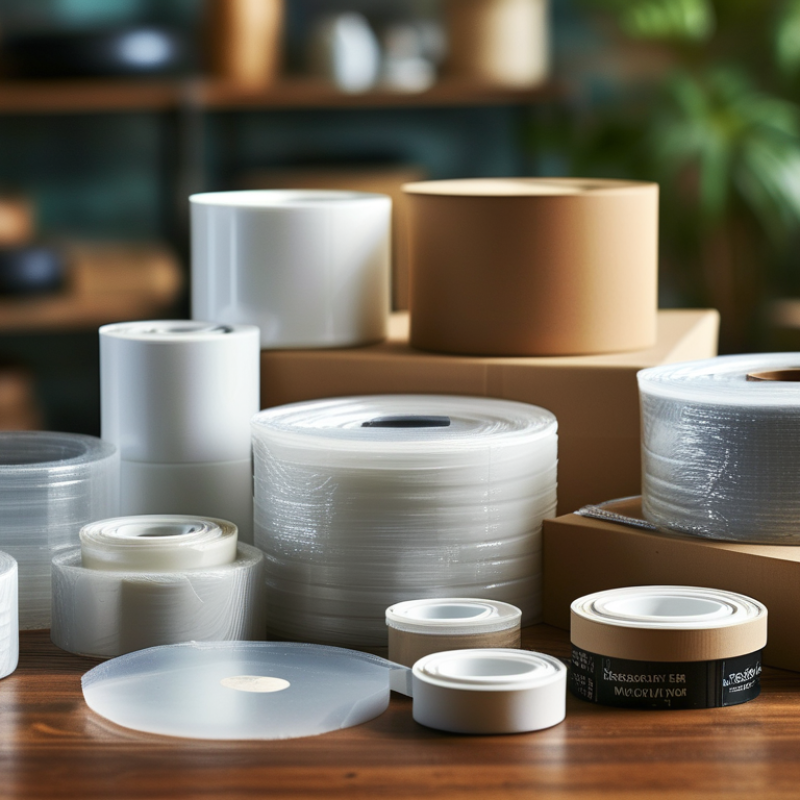
Understanding Sachet Films: Types and Materials Available
Sachet films play a crucial role in packaging various products, from food to pharmaceuticals. Understanding the types and materials available is essential for making informed decisions. Common materials include polyethylene (PE), polypropylene (PP), and laminates. Each material has unique properties that affect barrier performance and shelf life.
Polyethylene is often chosen for its flexibility and cost-effectiveness. It provides adequate moisture barrier but may not be ideal for highly sensitive products. On the other hand, polypropylene offers superior clarity and heat resistance. It's better suited for items requiring strong protection against oxygen and moisture. Laminated films combine multiple materials to enhance performance. These films are suitable for high-value products needing strong barrier protection.
According to industry reports, more than 50% of sachet film usage is in the food sector. The demand for environmentally friendly materials is rising. Many manufacturers are exploring biodegradable options. However, this presents challenges in terms of production costs and performance. It’s essential to weigh these factors against product needs and market trends. Adding to the complexity, not all biodegradable materials are truly compostable. This inconsistency can impact customer perceptions and brand reputation.
Evaluating Product Compatibility with Different Sachet Films
Evaluating product compatibility with different sachet films is crucial for successful packaging solutions. The choice of film directly impacts product freshness, shelf life, and consumer satisfaction. For instance, a report by Smithers Pira indicates that packaging films can affect moisture vapor transmission rates by over 50%. This means that selecting the right film can significantly preserve your product’s quality.
Understanding your product’s requirements is essential. For example, powders, liquids, and solids have distinct packaging needs. Powders may require barrier films to prevent moisture ingress, while liquids often need films that resist leakage. The right film should also align with your product's chemical composition. According to recent studies, incompatibility can lead to product degradation and safety concerns.
However, challenges exist in this selection process. Not all films are universally compatible. It’s important to conduct thorough testing to understand how a film interacts with your product. This analysis can reveal potential issues that may not be immediately apparent. Collaborating with packaging experts can help navigate these complexities, ensuring you choose the most suitable film for your needs. Seek reliable data and insights to guide your decision post-assessment.
Assessing Barrier Properties for Optimal Product Preservation
Choosing the right sachet film is crucial for product preservation. Barrier properties play a significant role in maintaining product integrity. These properties protect against moisture, oxygen, and light. Different films provide varying levels of these barriers. Understanding these differences can lead to better choices.
Moisture barriers are vital for food products. Excess moisture can lead to spoilage. On the other hand, certain cosmetics need breathable sachets to prevent condensation. Analyze specific needs carefully. Oxygen barriers are essential for extending shelf life. Products like snacks benefit greatly from oxygen exclusion. Assess your product's exposure to environmental factors. This will help you choose a film that suits your needs.
Light exposure can degrade sensitive ingredients. UV light can change color and flavor. Selecting films with UV protection is crucial for items like herbal supplements. Consider the overall packaging environment. Not every sachet film will fit every product. Testing is necessary to determine optimal performance. Re-evaluate your choices often to stay ahead in preservation technology.
Considering Cost and Production Factors in Sachet Film Selection
When considering sachet film selection, cost and production factors are crucial. Research indicates that packaging typically accounts for up to 30% of a product's overall cost. Thus, choosing the right film can significantly impact profit margins. The material type, thickness, and barrier properties will influence the cost. Often, businesses overlook the long-term benefits of investing in higher-quality films. Though they may be more expensive upfront, they can offer better protection and extend shelf life.
Production factors also play a vital role. The speed of the packaging line can determine film suitability. High-speed lines often require films that can withstand rapid sealing and cutting. Additionally, the compatibility with existing machinery should be assessed. Reports show that improper material can cause production delays. These issues often lead to wasted resources and increased expenses.
Moreover, businesses should consider sustainability when selecting sachet film. More than 60% of consumers prefer eco-friendly packaging. This trend is pushing manufacturers to explore recyclable or biodegradable options, even if they initially cost more. Balancing these factors is essential. Finding the right film is not just about immediate pricing but involves long-term planning and customer preferences.
Cost and Production Factors in Sachet Film Selection
Identifying Environmental Impact and Sustainability of Films Choices
Choosing the right sachet film is crucial for product integrity and environmental responsibility. Sustainable options are gaining attention. Many companies overlook the environmental impact of their packaging choices. It’s essential to assess the materials involved. Biodegradable films are available but may not always perform as expected. They require specific conditions to decompose effectively.
Consider the end-of-life scenario for your chosen films. Recycling rates for certain plastics are low. Use of mixed materials complicates recycling further. Even traditional films can be problematic. They often end up in landfills. Switching to recyclable options might seem ideal, but they can come with trade-offs. They may be more expensive or less durable.
Conducting a life-cycle assessment is beneficial. It helps identify the overall impact of packaging materials, from production to disposal. Balancing functionality and sustainability is challenging. Sometimes, sustainable films don't meet strict performance standards. This reflection is necessary for making informed decisions. Being eco-conscious should not compromise the efficacy of your products.
How to Choose the Right Sachet Film for Your Products? - Identifying Environmental Impact and Sustainability of Films Choices
| Film Type | Material | Biodegradability | Recyclability | Environmental Impact | Applications |
| Plastic | PET | No | Yes | High | Food Packaging |
| Bioplastics | PLA | Yes | Limited | Moderate | Snack Packaging |
| Composite Films | Paper + Plastic | No | No | Very High | Cosmetic Packaging |
| Recycled Films | rPET | No | Yes | Low | General Packaging |
| Compostable Films | PHA | Yes | Yes | Very Low | Food Service |