Custom Size Cardboard Boxes for All Your Packaging Needs?
In the world of packaging, attention to detail matters profoundly. Custom size cardboard boxes provide a solution tailored to your unique requirements. These boxes not only enhance the presentation of your products but also offer practical benefits. A well-fitted box reduces movement during transport, minimizing the risk of damage.
When considering options, the importance of proper measurements cannot be overlooked. Too large a box leads to wasted space, while a box that is too small can harm your items. Custom size cardboard boxes aim to strike the perfect balance, ensuring both security and aesthetics. However, achieving the right fit may involve several iterations.
Many businesses overlook the impact of packaging on customer experience. A striking box can capture attention and create lasting impressions. Yet, the pursuit of perfection in packaging design can lead to frustration. Testing different sizes and styles is essential in finding what truly works for your brand. Embracing this trial-and-error process is a step toward enhancing your packaging strategy.
Overview of Custom Size Cardboard Boxes
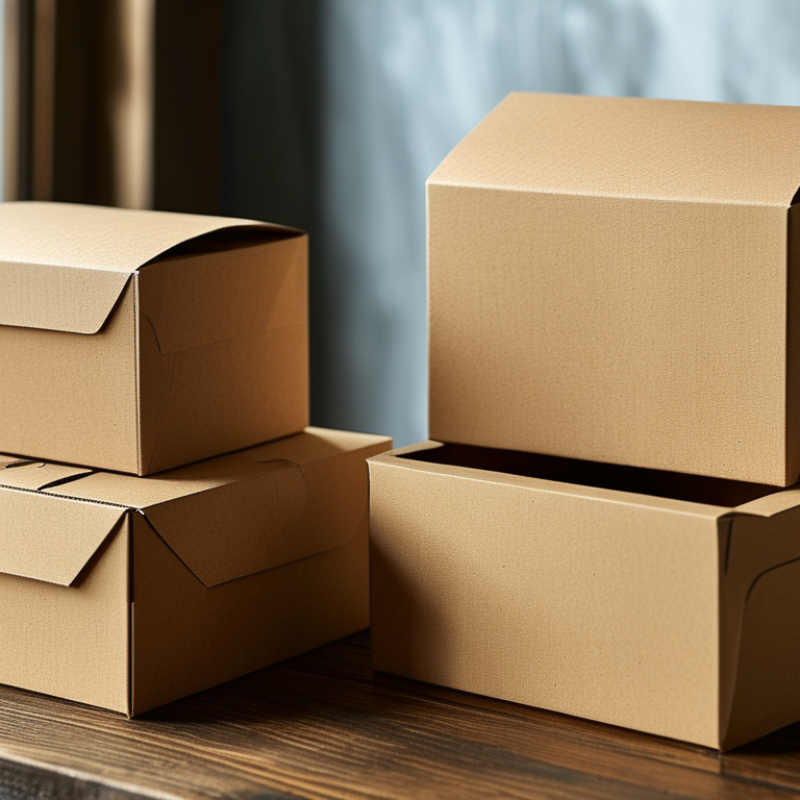
Custom size cardboard boxes offer a versatile solution for various packaging needs. These boxes are tailored to fit specific dimensions, ensuring your products are well-protected during storage and transportation. With custom sizing, businesses can reduce excess material use, leading to cost savings and a smaller environmental footprint.
Consider your product's specifications when choosing box dimensions. Precise sizing prevents items from shifting, minimizing damage. Utilizing high-quality materials enhances durability. Pay attention to weight limits and consider reinforced designs for heavier items.
Tips: Always measure your product carefully. Plan for extra padding if necessary. Use prototypes to test box strength and fit. Remember, not all needs are the same. Some products may require extra protection, while others do not. Reflect on how your packaging choices affect your brand image.
Advantages of Using Custom Cardboard Boxes
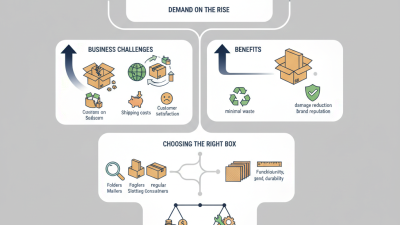
Custom cardboard boxes are a versatile solution for various packaging needs. They offer a tailored fit for products, ensuring safety during shipping. A recent study by Smithers Pira shows that the global demand for corrugated boxes is expected to reach 240 billion square meters by 2024. This trend reflects an increasing preference for custom solutions.
Using custom cardboard boxes provides significant advantages. They enhance brand recognition through unique designs. A survey conducted by Packaging Strategies revealed that 72% of consumers prefer products with eye-catching packaging. Additionally, custom boxes can reduce waste. By maximizing space, businesses mitigate the risk of damage during transportation. Statistics indicate that 30% of shipping costs stem from inefficient packaging.
However, businesses must consider the cost. Custom designs can be more expensive upfront compared to standard boxes. This creates a dilemma between quality and budget. Companies should evaluate their specific needs and potential savings in damage reduction and customer satisfaction. An informed approach is essential to strike the right balance.
Advantages of Using Custom Cardboard Boxes
Factors to Consider When Ordering Custom Boxes
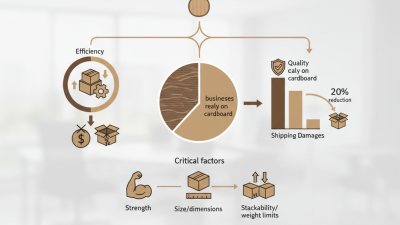
When considering custom cardboard boxes, several factors are crucial. The size of the box should fit your products perfectly. A well-fitted box reduces movement during transit and minimizes damage. According to packaging industry reports, nearly 25% of packages that are not properly sized suffer from issues like product damage.
Material quality is another essential factor. Different products require different types of cardboard. For example, heavier items demand thicker, more durable material. Choices range from single-wall to double-wall options, each suited for various weight limits. However, higher quality usually comes at a higher cost, which can lead to budget constraints.
Tips: Always request samples. This will help you assess the material and size before placing a large order. Additionally, discuss your packaging needs with experts who understand your industry. They can offer insights that enhance your packaging strategy.
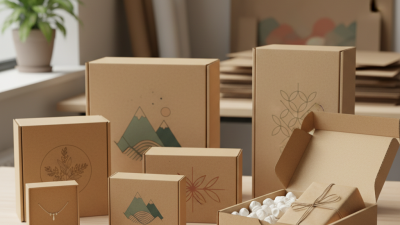
Finally, design plays a fundamental role. Custom printing can elevate your brand’s presence, but ensure the design does not conflict with functionality. Remember, an attractive box won't matter if it fails to protect the contents. Balancing aesthetics with practicality is key.
Common Applications for Custom Size Cardboard Boxes
Custom size cardboard boxes are versatile and practical solutions for many industries. These boxes come in various shapes and sizes, making them suitable for specific needs. E-commerce businesses frequently use them to ship products safely. Customized sizes help reduce material waste and lower shipping costs. Having the right dimensions can significantly impact logistics efficiency.
Many industries benefit from custom cardboard boxes. Retail stores often utilize them for unique merchandise. This ensures that products fit snugly, preventing damage during transportation. Furthermore, manufacturers rely on these boxes to package parts and components, enhancing inventory management. Smaller businesses might find that customized boxes elevate their brand image, allowing for creative packaging designs.
However, not all companies prioritize custom solutions. Some may settle for standard sizes, leading to inefficiencies. This could result in increased costs over time. Proper sizing is crucial. Companies must evaluate their packaging requirements carefully. Inadequate sizing can lead to excess space, which might compromise product safety. Thoughtful planning and implementation are key to creating effective custom packaging solutions.
Custom Size Cardboard Boxes - Common Applications
| Application |
Dimensions (inches) |
Material Type |
Weight Capacity (lbs) |
Features |
| Retail Packaging |
12 x 12 x 12 |
Corrugated Cardboard |
20 |
Custom Printing |
| Shipping Boxes |
15 x 10 x 5 |
Double Wall |
30 |
Water Resistant |
| Gift Boxes |
8 x 8 x 4 |
Recycled Cardboard |
10 |
Eco-Friendly |
| Food Packaging |
9 x 6 x 3 |
Food Grade Cardboard |
15 |
Grease Resistant |
| Electronics Packaging |
18 x 12 x 8 |
Foam Insert |
50 |
Shock-Proof |
Sustainability and Environmental Impact of Cardboard Packaging
The importance of cardboard packaging in reducing environmental impact cannot be overstated. Research indicates that cardboard is one of the most sustainable packaging materials available. According to a study by the Paper and Paperboard Packaging Environmental Council, about 70% of cardboard is recycled in the U.S. This high recycling rate significantly reduces waste and conserves natural resources. The life cycle assessment also shows that cardboard generates fewer greenhouse gases compared to plastic alternatives.
However, challenges persist. While cardboard is recyclable, not all consumers engage in proper recycling practices. In fact, the Environmental Protection Agency reported that approximately 28 million tons of cardboard end up in landfills each year. This inconsistency raises concerns about the true sustainability of cardboard packaging. Improvements are needed in consumer education and recycling infrastructure to fully realize its potential.
Moreover, the production of cardboard still requires energy and water. The Manufacturing process can emit pollutants if not managed properly. Data from the World Wildlife Fund highlights that responsibly sourced raw materials can mitigate some impact. Companies are encouraged to adopt best practices, such as sourcing from certified forests, to enhance sustainability. Addressing these issues presents both a challenge and an opportunity for the industry.