10 Essential Tips for Choosing the Right Corrugated Shipping Boxes
Choosing the right corrugated shipping boxes is crucial for any business. Expert Mark Johnson, a leading figure in packaging solutions, emphasizes, "The right box can save you time and money." His insight highlights the importance of making an informed choice in shipping materials.
Corrugated shipping boxes come in various sizes and strengths. Evaluating your product's needs is essential. Consider factors like weight and dimensions. High-quality packaging protects your goods during transit. A poorly chosen box may lead to damages, increasing costs and losing customer trust.
Choosing corrugated shipping boxes can be overwhelming. Mistakes can occur easily. You might overlook subtle details like flap styles or inner cushioning. Reflecting on these aspects can enhance your shipping strategy. By carefully selecting your boxes, you ensure customer satisfaction and safeguard your products.
Understanding the Different Types of Corrugated Shipping Boxes
Choosing the right corrugated shipping boxes can significantly impact your shipping efficiency. Understanding the different types available is crucial. There are three primary types: single-wall, double-wall, and triple-wall. The right choice often depends on the weight and fragility of your products. According to industry reports, about 30% of damages occur during transit due to inadequate packaging.
When selecting a box, consider the size and dimensions carefully. Boxes that are too large can lead to movement and damages. Conversely, boxes that are too small may crush the contents. Opt for boxes that snugly fit your items. Tip: Use custom sizes when necessary to save on shipping costs.
It's also essential to evaluate the box's strength. The burst strength and edge crush test (ECT) ratings indicate how much pressure the box can withstand. Research shows that using the correct box can reduce product damage by up to 50%. Remember, not all boxes are created equal. Tip: Always consult with a packaging specialist when in doubt. Becoming aware of these factors can help you make better decisions.
Evaluating Box Size and Dimensions for Your Shipping Needs
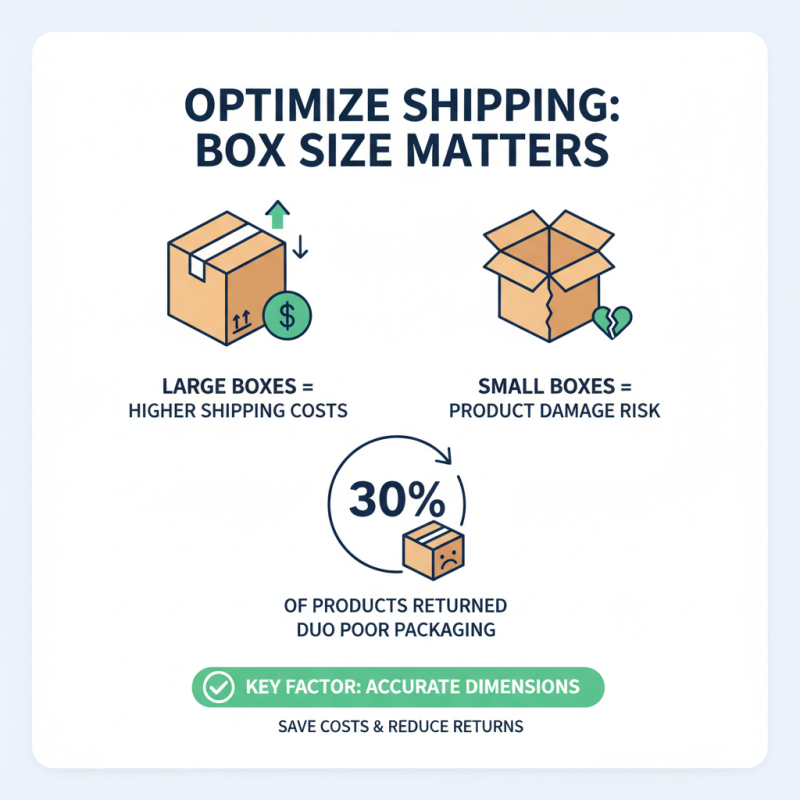
When evaluating box size and dimensions for your shipping needs, there are key factors to consider. Choosing the right size can save costs. Large boxes often lead to higher shipping fees, while small boxes can cause damage. Data shows that nearly 30% of products are returned due to poor packaging. This highlights the importance of accurate dimensions.
Tip: Measure your product before selecting a box. Measuring ensures the box fits snugly around the item, reducing movement during transit. Additionally, consider the weight of your product. Heavier items need sturdier boxes. The right box should support the weight without risk of collapse.
Another aspect is to plan for the padding. Proper cushioning inside the box prevents damage. However, it adds volume and weight. It’s a balance that requires careful thought. In a study, over 40% of consumers reported dissatisfaction due to damaged products. Rethinking your box size is essential for maintaining customer satisfaction and reducing losses.
Selecting the Right Material Strength for Protection and Durability
Choosing the right material strength for corrugated shipping boxes is crucial. It impacts protection and durability significantly. Industry data shows that nearly 30% of products are damaged during shipping due to inadequate packaging. Selecting the correct box can reduce these losses.
When considering material strength, it's essential to understand flute types. The flutes impact cushioning and rigidity. A single-wall box may suffice for lightweight items. However, heavier products often require double-wall or triple-wall options. In fact, studies indicate that double-wall boxes can increase protection against crushing by up to 50%. Yet, many businesses still underestimate this aspect.
Another factor is the environmental impact. Many companies prioritize recyclable materials. This can compromise strength if not properly balanced. Research suggests up to 40% of shippers do not consider material sustainability. They may face higher return rates and customer dissatisfaction. Companies should reflect on these choices to ensure they meet both strength and sustainability goals.
Comparison of Corrugated Box Material Strengths
Considering Environmental Impact and Sustainability Options
When selecting corrugated shipping boxes, sustainability should be at the forefront of your decision-making process. These boxes are often made from recycled materials, which is a crucial factor in reducing waste. Opting for boxes that are fully recyclable can significantly decrease your environmental footprint. However, not all boxes labeled as recyclable are created equal. Some may still contain harmful coatings that complicate recycling efforts.
Consider the source of the materials used in the production of your shipping boxes. Look for options that are certified by environmental organizations. This certification often indicates a commitment to responsible sourcing and sustainability. It’s easy to overlook certifications, but they can guide you in making better choices.
Another key aspect is the production process itself. Boxes manufactured with eco-friendly practices consume less energy. Yet, many manufacturers might not disclose their methods clearly. Always ask questions and seek transparency. The aesthetics of the boxes matter, but the environmental impact goes beyond appearance. Make it a habit to evaluate these factors carefully. It can feel daunting, but each small step contributes to broader ecological benefits.
Assessing Cost Factors to Optimize Your Shipping Budget
When selecting corrugated shipping boxes, your budget plays a crucial role. Understand the cost factors involved. Prices can vary significantly based on size, strength, and type of box. Custom boxes might seem appealing but can drain your budget quickly.
Assessing bulk ordering is essential. Buying in larger quantities often lowers the cost per box. However, consider your specific needs. Will you have enough shipments to justify this expense? Don’t overlook shipping costs for the boxes themselves. They can add up, especially if you order from far away.
Consider the material as well. Some boxes are cheaper but may not protect your products adequately. A fragile item shipped in a weak box can lead to damages, increasing overall costs. It's a balancing act between saving money and ensuring quality. Reflect on your priorities. The right choice will protect your items while also being budget-friendly.