What is the Importance of Packaging Boxes for Products?
In the ever-evolving world of retail, packaging plays a crucial role. According to industry expert Sarah Chen, “Packaging boxes are the first impression a customer gets.” This statement highlights the importance of packaging boxes beyond mere utility.
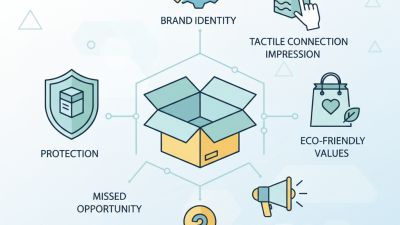
Well-designed packaging boxes attract customers and ensure product safety. They reflect a brand's image and values. When customers see appealing packaging, they feel positive about the product inside. Choosing the right materials also matters. Strong, eco-friendly packaging can enhance a product's perceived value. However, many brands overlook how integral packaging boxes are to their overall strategy.
Yet, there are challenges. Not every business has the resources to invest in high-quality packaging boxes. Some companies settle for less, risking customer dissatisfaction. This reveals a gap between ideal practices and reality. It forces businesses to rethink their approach to packaging. Are they missing opportunities to connect with their customers? Ultimately, the significance of packaging boxes cannot be ignored. They serve as both protection and promotion in a competitive market.
Understanding the Role of Packaging Boxes in Product Protection
Packaging boxes play a crucial role in protecting products during storage and transportation. A well-designed box keeps items safe from dust, moisture, and physical damage. Imagine a fragile item tossed around during shipping. Without proper packaging, that beautiful piece can easily break. A sturdy box acts as a shield, reducing the risk of damage.
However, not all packaging is created equal. Some boxes lack adequate padding or support, which compromises product safety. Poor design can lead to a mismatch between the box size and the product. This can cause the item to shift around inside and potentially become damaged. We often overlook this aspect, but it is essential to consider.
Moreover, packaging boxes also influence consumer perception. A professionally packed product feels more valuable. Yet, many businesses skip this step, resulting in a negative first impression. Consumers may doubt the quality of the product if the packaging feels flimsy. This is a critical area for reflection, as investing in quality packaging can elevate a brand's image significantly. All these points highlight the importance of thoughtful packaging in protecting products effectively.
The Impact of Packaging Design on Consumer Perception
Packaging design plays a crucial role in shaping consumer perception. Studies indicate that around 70% of purchase decisions are made in-store, highlighting the importance of visual appeal. Eye-catching packaging can attract customers and create a memorable first impression. In fact, 64% of consumers cite packaging as a key factor in their purchasing choice.
In a world where brand loyalty is declining, packaging can differentiate products. Unique designs often lead to increased sales. Research shows that products with innovative packaging can see a sales increase of up to 30%. However, not every design resonates with consumers. Some may overlook important product information, resulting in confusion.
Moreover, sustainable packaging options are gaining traction. Approximately 90% of consumers are conscious of environmental impact. They prefer brands that use eco-friendly materials. Yet, many companies still struggle to implement these designs effectively. Balancing beauty and functionality in packaging can be challenging. Brands must reflect on how their packaging decisions align with consumer values.
Sustainability in Packaging: Benefits and Considerations
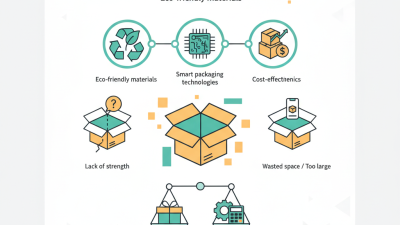
Sustainability in packaging is becoming increasingly crucial. Many companies focus on eco-friendly materials. Biodegradable and recyclable options reduce waste. However, this shift isn’t always straightforward. The search for sustainable packaging can lead to higher costs. Some businesses may hesitate to make the switch due to expenses.
Yet, the benefits can outweigh the challenges. Sustainable packaging can enhance a brand's image. Consumers often prefer companies that prioritize environmental responsibility. This preference can drive sales and customer loyalty. Transitioning to eco-friendly materials is not just a trend—it’s a necessity.
Despite the advantages, flaws exist in this approach. Not all sustainable materials perform equally. Some may not provide adequate protection for delicate products. Businesses must carefully analyze their choices. They need to balance environmental impact with functionality. Addressing these issues can lead to improvement in the industry. Sustainable packaging should not be an afterthought but a core strategy.
Cost-Benefit Analysis of Packaging Choices for Businesses
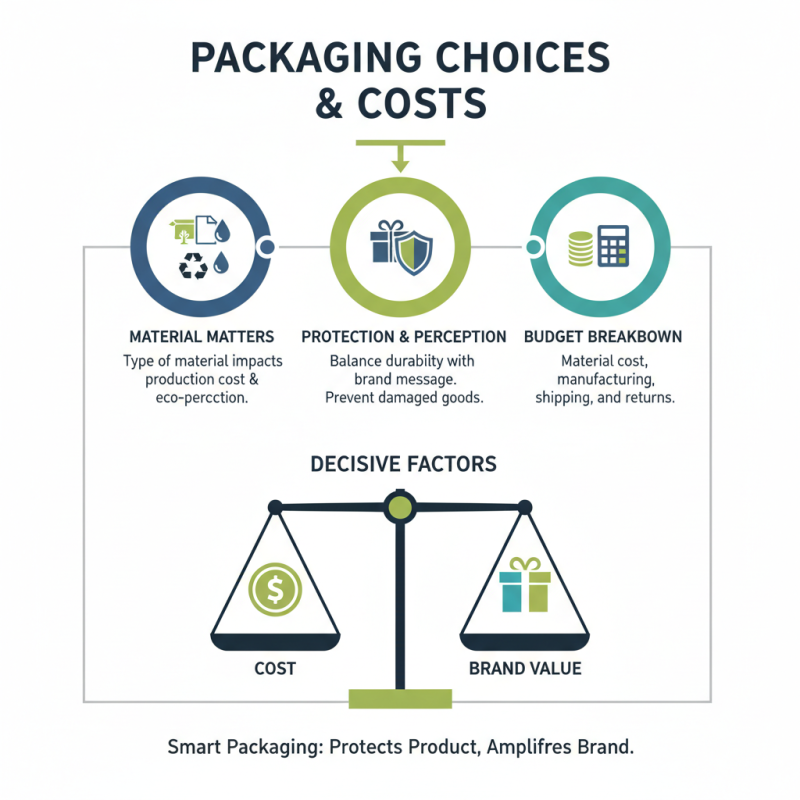
When evaluating packaging choices, cost can be a decisive factor for many businesses. Packaging not only protects products but also communicates brand value. A poorly chosen box can lead to damaged goods and disappointed customers. It's crucial to consider the materials used, as they impact production costs and customer perception.
Balancing quality and cost is essential. For example, biodegradable packaging might be pricier upfront. However, it can enhance brand reputation and attract eco-conscious consumers. On the flip side, cheaper options may save money initially, but they can result in higher returns due to breakage. This trade-off requires careful analysis.
It's important to reflect on how packaging choices align with business goals. Are you prioritizing sustainability, customer experience, or cost efficiency? Each decision shapes your brand’s identity. Businesses often overlook these facets. They focus only on immediate sales without assessing long-term impacts. The true value of packaging lies in finding the right balance. Choices made today can redefine a brand tomorrow.
Innovations in Packaging Technology and Their Importance
Innovations in packaging technology have greatly transformed the industry. Smart packaging, for instance, uses sensors to monitor freshness. This enhances product quality and reduces waste. Another exciting development is biodegradable materials. They offer an eco-friendly alternative to traditional plastics. Customers appreciate brands that prioritize sustainability.
Moreover, customization in packaging has become increasingly popular. Brands can now design unique boxes that reflect their identity. This creates a memorable unboxing experience for consumers. However, not all innovations are successful. Some materials lack durability and can fail during shipping. It is essential for companies to evaluate these aspects.
Printing technology has also advanced. High-quality graphics can attract attention on store shelves. Yet, there are concerns about over-packaging. Excessive materials can lead to higher costs and environmental damage. Striking a balance between creativity and practicality is crucial for brands.
Importance of Packaging Boxes for Products - Innovations in Packaging Technology and Their Importance
| Dimension |
Description |
Examples of Innovations |
Importance |
| Material |
The type of material used can greatly affect durability and sustainability. |
Biodegradable plastics, recycled materials |
Enhances product safety and environmental responsibility. |
| Design |
The aesthetic elements and structural design of packaging. |
Minimalist designs, interactive packaging |
Improves customer engagement and brand perception. |
| Technology |
Integration of technology to enhance functionality. |
Smart packaging, QR codes |
Provides consumers with additional information and enhances user experience. |
| Functionality |
How the packaging serves its purpose in protection and convenience. |
Resealable bags, tamper-evident seals |
Ensures product integrity and enhances user-friendliness. |
| Sustainability |
Impact of packaging on the environment and eco-friendly practices. |
Plant-based inks, recyclable designs |
Meets consumer demand for environmentally responsible products. |