What is Machine Vision Inspection and How Does It Work?
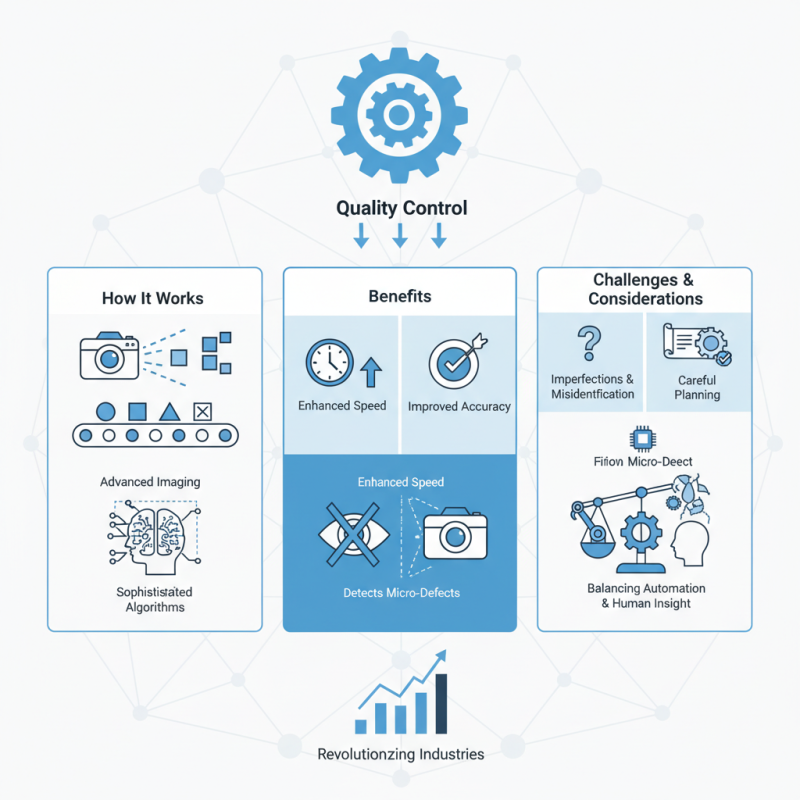
Machine Vision Inspection is revolutionizing quality control in various industries. This technology utilizes advanced imaging systems to analyze products on assembly lines. It replaces manual inspection, enhancing speed and accuracy.
With high-resolution cameras and sophisticated algorithms, Machine Vision Inspection detects defects that the human eye might miss. It can spot scratches, color deviations, and misalignments efficiently. However, it's not always perfect. Sometimes, certain defects slip through or are misidentified as issues.
The implementation of Machine Vision Inspection requires careful planning. Businesses must consider the specific needs of their production processes. While this technology offers many benefits, its effectiveness can vary based on the complexity of the products being inspected. Balancing automation with human insight remains critical in achieving optimal results.
Overview of Machine Vision Inspection Technology
Machine vision inspection technology plays a crucial role in modern manufacturing. It combines hardware and software systems to monitor and analyze processes. This technology allows for automatic quality checks, thereby enhancing efficiency. According to recent industry reports, nearly 50% of manufacturers are now incorporating machine vision systems. This adoption leads to reduced human error and increased production speed.
Implementing machine vision can be challenging. Not every system meets specific needs. Consider the complexity of integrating inspection systems with existing processes. A study revealed that 30% of companies struggle with the initial setup. Regular updates and maintenance are essential. These steps ensure that the system operates effectively over time.
Tips: Always assess your unique requirements before choosing a system. A tailored approach can prevent unnecessary expenses. Additionally, employee training is crucial. Well-trained staff can maximize system benefits. Effective utilization can lead to significant quality improvements.
Key Components of Machine Vision Systems
Machine vision systems are crucial in modern manufacturing. They help in quality control and automation. These systems rely on several key components. Cameras, lighting, computers, and software play vital roles. According to a 2021 report by the International Society for Automation, the machine vision market is projected to reach $14 billion by 2025.
Cameras capture images of products on production lines. They often use advanced sensors to detect defects. Yet, the choice of camera can impact performance. Lighting is equally important. Proper illumination enhances image clarity. However, inconsistent lighting can lead to data inaccuracies. Companies must invest in quality lights to avoid this issue.
Computers process the captured images. They run algorithms to analyze and identify defects. Software is essential for visual inspection. It translates data into actionable insights. A significant challenge is ensuring accurate software performance. Human oversight is still needed. Mistakes can occur, leading to costly errors. Companies should focus on continuous improvement in these areas for optimal results.
How Machine Vision Works: The Inspection Process
Machine vision inspection incorporates advanced technologies to automate the inspection process. It uses cameras, image processing software, and artificial intelligence to assess product quality. According to a report by Markets and Markets, the machine vision market is expected to reach $12.32 billion by 2025. This growth highlights the importance of efficiency in production lines.
During the inspection process, camera systems capture images of products or components. These images are then analyzed for defects. A significant part of the process includes feature extraction, where algorithms identify specific characteristics to determine quality. Yet, not all products pass the inspection. Some systems may misidentify items or overlook subtle defects, leading to potential quality control issues. Reports indicate that around 5% of products may be misclassified due to system limitations.
Integration of machine vision systems necessitates careful consideration. Challenges include lighting conditions and varying surface textures. A recent study revealed that nearly 30% of inspection failures stemmed from inadequate lighting setups. Addressing these imperfections is crucial for companies aiming to maintain high quality and reduce waste.
Applications of Machine Vision in Industry
Machine vision inspection plays a crucial role in various industries, enhancing quality control processes. In manufacturing, it ensures products meet required specifications. For example, a report from MarketsandMarkets notes that the machine vision market is expected to reach $15.6 billion by 2025. This growth is fueled by the demand for automated inspection systems.
In the automotive sector, machine vision is used to inspect components during assembly. It identifies defects that are invisible to the human eye. This leads to increased safety and lower recall rates. A study indicated that manufacturers utilizing machine vision can reduce inspection time by up to 50%. This efficiency is vital in a competitive market.
**Tip:** Invest in training for staff on machine vision tools. Understanding the tech is key to maximizing its benefits.
In the food industry, machine vision helps ensure product safety. It detects foreign objects, size, and color in food items. While the technology is robust, it isn't infallible. Sometimes, it may overlook subtle defects. Continuous updates and software improvements can mitigate this issue.
**Tip:** Regular maintenance of machine vision systems is crucial. This keeps accuracy high and reduces errors.
Applications of Machine Vision in Industry
This bar chart illustrates the frequency of various applications of machine vision technology in industrial settings, showcasing its significant roles in quality control, automated assembly, surface inspection, robot guidance, and object counting.
Benefits and Challenges of Implementing Machine Vision Systems
Machine vision systems have become pivotal in various industries, enhancing quality control and operational efficiency. However, deploying these systems comes with both benefits and challenges. According to recent industry reports, implementing machine vision can improve defect detection rates by up to 90%. This reduces waste and increases overall productivity. Yet, the initial setup costs and system integration can be daunting for many businesses.
Many organizations struggle with the complexity of the technology. Effective training is vital. Employees may resist adopting new processes. A study found that around 30% of companies faced issues with inadequate training. It's essential to foster a culture that embraces technology. Tips for a smoother transition include offering hands-on training sessions and ensuring ongoing support from specialists.
Another challenge is maintaining the system's performance. Machine vision systems require regular calibration and updates. Failing to do so can lead to decreased accuracy. Approximately 25% of systems experience performance issues due to neglect. Implementing a scheduled maintenance plan can help. It's wise to set aside resources for unexpected repairs and updates, ensuring consistent quality control.