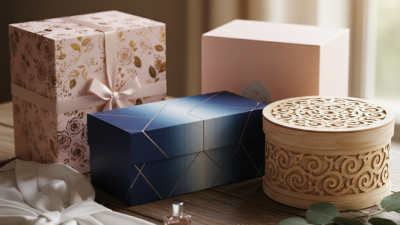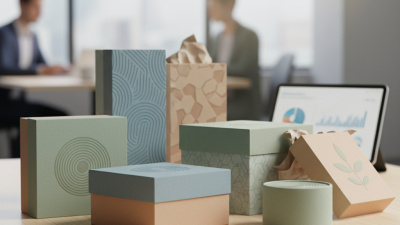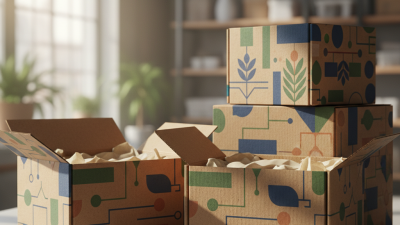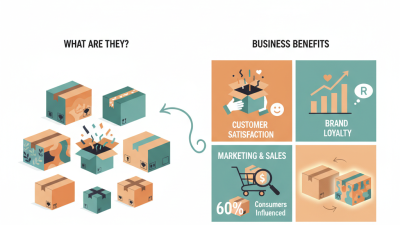
In today’s competitive market, the importance of personalized boxes cannot be overstated. They are more than just packaging; they are a representation of your brand's identity. Customized boxes enhance the customer experience, creating a lasting impression that goes beyond the product inside. Studies show that thoughtful packaging improves brand recall, making it crucial for businesses to invest in personalized designs.
Choosing the right personalized boxes can elevate your packaging game significantly. These boxes can reflect your brand's values and appeal to your target audience. Many companies are already reaping the benefits of this approach. However, not all designs resonate equally with consumers. It is essential to balance creativity with functionality. Addressing this challenge can lead to innovative solutions that capture attention.
As you explore the top ten personalized boxes that can transform your packaging strategy, consider the diversity of options available. Whether you opt for unique shapes, vibrant colors, or eco-friendly materials, the choices are vast. Each option has its strengths and weaknesses, urging you to reflect on your brand's mission. Embracing personalized boxes might just be the breakthrough your packaging needs.
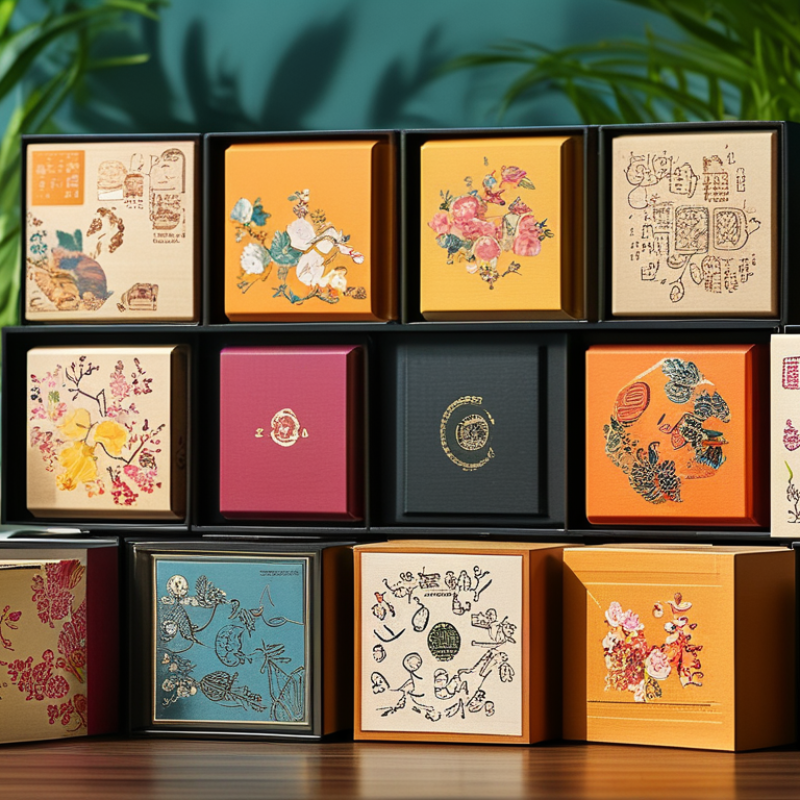
Personalized packaging has become crucial in modern business. A recent report by Deloitte states that 1 in 3 consumers prefer personalized experiences. This preference extends to packaging. Companies that invest in personalization can see an increase in customer loyalty. In fact, 76% of consumers say they expect personalized interactions.
Personalized boxes create a memorable unboxing experience. This enhances brand recognition and emotional connection. According to a study by the Packaging Association, unique packaging designs can boost purchase intentions by up to 30%. Yet, many brands struggle with consistency. Ensuring every box reflects the brand's identity can prove challenging. This inconsistency may confuse customers.
Sustainability is another area requiring attention. While personalization is key, eco-friendly materials matter too. The 2021 Global Packaging Survey revealed that 72% of consumers are more likely to buy from environmentally conscious brands. Thus, companies must balance personalization with sustainability. They need to innovate while considering the environment. Failure to do so could alienate potential customers.
Personalized boxes play a vital role in various industries, enhancing brand identity and customer experience. In retail, customized packaging can attract attention and encourage impulse buys. Bright colors and unique shapes can make products stand out. For e-commerce, personalized boxes can improve unboxing experiences, fostering a deeper connection between brands and customers.
In the food industry, tailored boxes can emphasize quality and freshness. With designs that showcase ingredients, businesses can convey care in their products. Similarly, beauty and cosmetics brands benefit from personalized packaging that highlights luxury. Unique prints and textures can create an emotional response, leading to repeat purchases.
However, not all personalized packaging has a positive impact. Sometimes, companies may overthink designs, leading to cluttered and confusing boxes. This can diminish the brand message instead of strengthening it. It's essential to balance creativity with clarity in packaging choices. Packaging should communicate effectively, allowing customers to appreciate the brand's identity without overwhelming them.
When designing custom packaging, start with your target audience in mind. Research shows that 72% of consumers say packaging design influences their purchasing decisions significantly. Think about what appeals to your demographic.
Colors, materials, and fonts should resonate with them. Use eco-friendly materials, as 66% of consumers consider sustainability when making a purchase.
Next, focus on functionality. Packaging must protect products while being user-friendly. If the box is hard to open, customers may feel frustrated.
Design options like easy-open tabs can enhance usability. Also, reflect on how your packaging can enhance the unboxing experience. A unique design draws attention and encourages social sharing.
Lastly, embrace the imperfections of your design. A handcrafted look can evoke authenticity. However, ensure the main features are polished. If your packaging lacks clarity or quality, it could harm your brand’s reputation. Seek feedback from trusted sources and iterate. Remember, custom packaging should tell your brand’s story while ensuring functionality.
In today's competitive market, innovative materials for custom packaging solutions are crucial. Brands now seek ways to enhance customer experience. Sustainable materials are gaining attention. These eco-friendly options can make a strong impact. They show a commitment to the environment, appealing to conscious consumers. Biodegradable plastics and recycled cardboard are common choices. They provide durability without harming the planet.
Yet, crafting the perfect package isn't always straightforward. Customization requires balancing aesthetics with functionality. Some companies struggle with production constraints. These challenges can lead to compromises that affect quality. For instance, choosing the right finish may not always work with sustainable materials. This often results in a finish that lacks the shine or appeal of traditional options.
Another consideration is the cost of innovative materials. While they offer benefits, they may strain budgets. Many brands need to weigh their options carefully. Sometimes, the most visually appealing package isn't the most practical. It's essential to reflect on what truly matters. Does the packaging enhance the product, or is it just eye-catching? Each choice impacts customer perception and brand reputation.
Personalized packaging is more than just a trend; it’s a powerful marketing tool. Many brands have realized the impact of unique, custom designs. One notable campaign featured a beauty brand that used personalized boxes with each customer's name. The response was overwhelmingly positive, fostering a deep emotional connection.
Another example involved a food subscription service. They included photos of customers on the packaging. This made each delivery feel special and unique.
Customers shared their experiences on social media, which amplified the brand’s reach. However, not every campaign hits the mark. In one case, a company tried to implement a mass personalization strategy but failed. It resulted in generic designs that didn’t resonate with their audience, highlighting the importance of genuine personalization.
Incorporating personalized elements can elevate the unboxing experience, yet it must be done thoughtfully. Brands need to balance creativity with practicality. Some companies rushed their designs and overlooked quality control. This led to packaging that detracted from the product itself. Ultimately, successful personalized packaging campaigns are tailored to the audience’s desires and preferences, keeping the customer in focus.