Top 10 Custom Made Boxes Suppliers for Global Buyers

Choosing the right custom made boxes supplier can shape a product’s protection, presentation, and customer experience. Global buyers need more than attractive catalog photos. They need reliable materials, clear specifications, stable production, and practical shipping support.

This guide reviews ten suppliers serving international markets. It considers box styles, board strength, printing quality, customization flexibility, minimum order quantities, lead times, and communication standards. It also examines sample policies, packaging tests, sustainability claims, and documentation. These details matter when a box must protect glass bottles, cosmetics, electronics, or retail goods during long-distance transport.

Small details matter.

A supplier may offer vivid colors but weak corners. Another may quote quickly but explain little about testing. Experienced buyers should request physical samples, confirm dimensions, review production tolerances, and clarify who manages freight or import paperwork. Certifications can support trust, but they should be verified against the actual factory and product scope. Price alone is rarely a dependable measure of value.

No supplier is perfect. Some information may change with materials, capacity, or regional logistics. Certain comparisons also remain subjective because brand goals differ. A premium retailer may value precise finishing, while a growing business may prioritize flexible quantities and predictable costs. The suppliers discussed here are evaluated through practical buying considerations, not empty marketing language. Use this overview as a starting point, then confirm current quotations, samples, compliance documents, and delivery commitments directly with each supplier.
Top 10 Custom Made Boxes Suppliers for Global Buyers

What Custom Made Boxes Are and Why Global Buyers Need Them

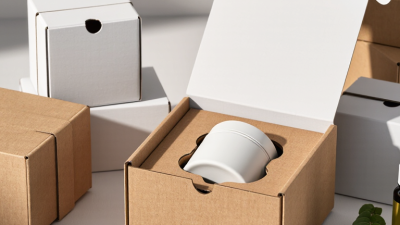
Custom made boxes are packaging solutions built for a product’s exact size, weight, shape, and presentation needs. They may use corrugated board, rigid paperboard, recycled fiber, or protective inserts. A box measuring 32 x 22 x 8 centimeters can reduce empty space around fragile items. This often lowers movement, damage, and unnecessary shipping volume. Global buyers need this control because products face different climates, transport routes, handling methods, and storage conditions.

Reliable suppliers should explain material strength, printing limits, insert design, and quality checks clearly. Ask for a physical sample before approving large production. Test the sample with realistic weight and basic drop tests. Humidity exposure also matters for long-distance shipments. A polished sample can still fail when packed too tightly. That is an uncomfortable detail, but it deserves attention. Clear measurements, written tolerances, and production photos can reduce misunderstandings between international teams.

Tips: Compare at least three quotations, but do not choose by price alone. Check board thickness, closure strength, lead time, and sample accuracy. Request export packaging details and inspect random cartons before shipment. Small mistakes become expensive across thousands of boxes.

How to Evaluate Custom Box Suppliers Across International Markets

Top 10 Custom Made Boxes Suppliers for Global Buyers

Evaluating custom box suppliers requires more than comparing catalog photos and unit prices. Request physical samples with your exact dimensions, board grade, printing, and closure style. Check edge strength, color consistency, surface finish, and protection during a simple drop test. International purchasing adds further concerns. Review production capacity, export experience, lead times, packaging documents, and delivery terms. A reliable supplier explains material specifications clearly and identifies possible delays before accepting an order. I have found that clear communication often matters as much as machinery.

Tips: Build a scorecard for ten suppliers. Compare sample quality, minimum order quantities, tooling fees, payment terms, inspection procedures, and response times. Ask for recent export references and evidence of testing. A video factory tour can help, but it cannot replace independent verification. Small details matter.

Do not accept vague sustainability claims. Request supporting certificates, recycled-content details, and disposal guidance for the destination market. Confirm whether inks, coatings, and adhesives suit the intended use and local requirements. Your purchase contract should define tolerances, color standards, replacement terms, and responsibility for damaged goods. A low quotation may hide expensive freight or repeated sampling. I once judged a supplier too quickly because the first sample looked impressive; later, production consistency became the real concern. Pricing should inform the decision, not control it.

Top 10 Custom Made Boxes Suppliers and Their Core Strengths

Top 10 Custom Made Boxes Suppliers for Global Buyers

Top 10 Custom Made Boxes Suppliers and Their Core Strengths

Choosing custom packaging requires more than comparing prices. Supplier One focuses on structural design and creates prototypes for unusual product shapes. Supplier Two supports short runs with digital printing and quick artwork changes. Supplier Three specializes in corrugated export boxes, using reinforced corners and moisture-resistant coatings. Supplier Four produces rigid boxes with precise hinges, magnets, and premium paper wrapping. Supplier Five develops recycled and recyclable board options with clear material records.

Supplier Six designs retail display boxes that improve shelf visibility and simplify product handling. Supplier Seven supplies packaging suitable for regulated food-contact applications, supported by batch traceability and testing documents. Supplier Eight creates protective inserts from molded fiber, paper, or foam alternatives. Drop-test results matter here. Supplier Nine serves large orders with automated production, helping maintain stable dimensions and color matching. Supplier Ten offers flexible minimum quantities and practical support for regional buyers.

Experienced buyers should request physical samples, compression data, print proofs, and production timelines. A reliable supplier explains tolerances before manufacturing begins. It should also identify hidden costs, such as tooling, plate fees, pallet changes, or export documentation. No supplier is perfect. A low-cost option may provide weaker color consistency, while a premium specialist may struggle with urgent volume. I once saw a beautiful prototype fail during stacking because the base board was too thin. That mistake was avoidable. Clear specifications, factory communication, and independent quality checks remain essential for global purchasing.

Comparing Materials, Production Capabilities, Prices, and Lead Times

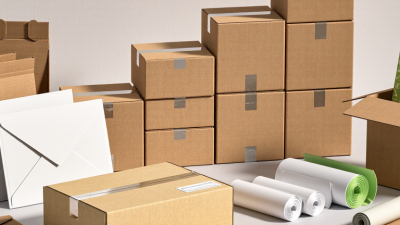
Custom box buyers should compare materials before comparing quotations. Corrugated board suits shipping because its fluted core absorbs impacts and keeps weight low. Folding carton fits retail presentation, while rigid board creates a heavier, premium feel. Recycled fiber can reduce virgin material use, but it may show speckles or vary slightly in color. That trade-off is real.

FEFCO reported 50.6 billion square meters of European corrugated production in 2023, down 6.4% from 2022. This signals strong capacity, but not unlimited availability. Suppliers with automated die-cutting, digital sampling, and in-house testing usually manage complex orders better. Ask for edge-crush, burst, and compression results. Photos are not enough.

Price comparisons often fail at the “small” details. Tooling, inserts, coatings, sample fees, palletization, and freight can change the landed cost sharply. A low unit price may hide expensive minimum quantities.

Lead times commonly stretch when artwork changes, materials need approval, or factories approach seasonal capacity. Allowing two to four weeks for standard production is practical, but custom rigid boxes may require longer scheduling.

Smithers’ packaging market research also identifies e-commerce and sustainability as continuing demand drivers. I would challenge any supplier promising every material, finish, and delivery date without qualification. That sounds efficient. It may not be reliable.

How Global Buyers Can Select the Right Custom Box Supplier

Selecting a custom box supplier requires more than comparing catalogue photos. A practical sourcing lesson is simple: samples reveal reality. Request a physical prototype before approving production. Check board thickness, crease accuracy, print registration, glue strength, and how the box survives stacking. Measure the finished box, not only the design file. Small errors can increase shipping costs or damage products.

The supplier should explain material grades, testing methods, minimum order quantities, tooling fees, and production capacity. Ask for recent quality records and a clear replacement policy. The 2024 Smithers report, The Future of Global Packaging to 2028, projects the global packaging market to approach 1.2 trillion dollars. That scale creates choices, but also inconsistent quality. A lower unit price may hide higher freight, waste, or inspection costs. Numbers can mislead.

Sustainability claims need evidence. Request recycled-content percentages, certification details, and disposal guidance for coatings or laminates. McKinsey’s packaging research found that consumers increasingly value sustainable packaging, while price and performance remain important. A capable supplier should provide test data, not vague promises. Compare landed cost, lead time, communication speed, and corrective-action records across at least three candidates. Cultural and time-zone differences can affect urgent revisions. I would also test one modest production batch before scaling. It feels slower, but this step exposes weaknesses early. Perfect scorecards do not exist; buyers should document risks and revisit supplier performance after every shipment.

Back to top