Choosing the right shipping carton is rarely a matter of appearance alone. A box must fit the product, support its weight, and tolerate the bumps and stacking that happen in transit. A ceramic mug needs a snug fit and cushioning; a flat print needs room to stay smooth, not rattle around inside an oversized carton. Small details matter.
This guide explores ten types of cardboard boxes used for shipping and packaging, from familiar corrugated cartons to mailers, telescoping boxes, and die-cut designs. Each serves a different purpose. The best option depends on the item’s shape, fragility, shipping distance, and packing process. There is no universal box. Even a sturdy carton can fail when its contents shift or its seams are poorly sealed.
A named expert quotation should not be invented or presented as verified without a reliable source. No article or quotation source was supplied here, so this introduction does not attribute a fabricated statement to a cardboard boxes specialist. That gap is worth addressing before publication. With a verified quotation, the article can offer readers both practical comparisons and informed industry perspective.

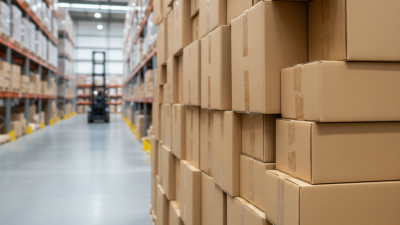
Most shipping boxes are made from corrugated fiberboard: flat liner sheets bonded to a fluted, wavy middle layer. The flutes create cushioning and help the board resist crushing. Single-wall board suits many everyday parcels; double-wall construction adds protection for heavier loads or longer shipping routes. Box strength also depends on paper weight, flute profile, seams, and how well the carton fits its contents. It matters. A roomy box can let products shift, even when its board is strong.
The U.S. Environmental Protection Agency reported that 32.1 million tons of corrugated boxes were recycled in 2018, out of 33.3 million tons generated. That high recovery rate reflects the material’s established recycling stream, but clean, dry fiber is easier to recover. Moisture can soften corrugated board, while oversized openings or poorly taped seams can weaken a package. No board grade is perfect; choosing heavier material than a shipment needs can add weight without solving poor packing.
Tips: Match board strength to product weight and shipping conditions. Place a small item in a snug carton, then test whether it shifts when gently shaken. Keep boxes dry, close all flaps securely, and use internal cushioning where fragile corners could strike the walls. If shipments arrive crushed, review box fit and stacking conditions before upgrading board strength.
A box is part of the shipping system, not just a container. Its shape affects stacking, handling, and how well products stay in place. A regular slotted carton suits many everyday shipments because its flaps meet at the center. A full-overlap box adds extra cardboard across the top and bottom, which can help when packages face rough handling. Mailer boxes fold into a snug shape and work well for smaller items that need a neat, secure fit.
Good design starts with the product’s size and weight. Too much empty space allows items to shift; too little leaves no room for cushioning. A double-wall box can provide added strength for heavier loads, while a corrugated divider keeps multiple objects from knocking together. Small detail, big difference. Box dimensions also influence pallet arrangement and storage, so a few centimeters can matter across a large shipment. Yet stronger packaging is not always better: extra layers add weight and material, and they may not prevent damage if the contents are packed poorly. Testing a filled box with realistic handling is more useful than relying on appearance alone. Even then, results can vary with moisture, stacking time, and the bumps a parcel meets along the way.
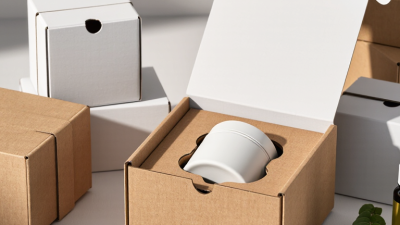
Cardboard box selection depends on product weight, shape, and how it will be handled. A regular slotted container has four top and bottom flaps that meet at the center, making it a practical choice for many everyday shipments. A half-slotted container has a separate lid, so contents are easy to access. Full-overlap boxes use longer flaps that cover the entire top and bottom, adding cushioning around broad surfaces. Telescoping boxes have separate tops and bases, useful when product height varies.
Mailers offer other options. A roll-end tuck-top mailer folds into a snug shape and often needs no separate lid. Book-fold mailers wrap around flat items such as notebooks or small framed prints. Die-cut mailers use scored panels and locking tabs for a compact fit. They can reduce empty space, but the product still needs suitable protection inside. A five-panel folder wraps a long, flat item, such as a trim piece, with overlapping panels.
For grouped or delicate goods, a one-piece folder bends around an item and closes with flaps, while a corrugated tray keeps products upright in storage or transit. Partitioned boxes add internal dividers that separate bottles, jars, or components. Fit matters. A box that is too large can let contents shift; one that is too tight may strain the seams. Even careful packing can miss small gaps, so check the filled box before shipment.
Matching box types to products and shipping conditions starts with weight, shape, and handling distance. A single-wall corrugated box suits many lightweight items moving through routine parcel networks. Heavier goods or shipments with several handling stages may need double-wall construction. Flat artwork, panels, or framed pieces often fit telescoping boxes, which adjust around long or shallow products. Small electronics and neatly sized retail items can travel in folding cartons, but these usually need an outer shipping box. Fit matters. Extra empty space lets products shift, while an overly tight box can press against corners.
Fragile items need more than a sturdy box. A regular slotted carton with cushioning can work for pottery or glassware when padding keeps each piece from touching the walls. Long products may be better protected in a tube or long carton, provided the ends are reinforced. For damp routes, consider a box with suitable moisture-resistant treatment and keep it off wet surfaces. No box can prevent every handling problem. Sometimes the packaging choice still needs testing with the actual product and packing materials.
Tips: Measure the packed item, not just the product. Leave room for cushioning, then gently shake the closed box; noticeable movement means the fit needs attention. Use a mailer for flexible, low-fragility goods, and avoid oversized boxes when a compact, well-padded option will do.
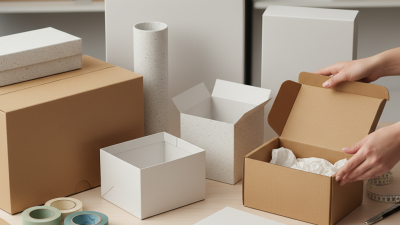
Selecting a cardboard box starts with the item, not the catalog description. Measure its length, width, and height after adding protective wrapping. Leave room for cushioning, but avoid a large empty space that lets products slide. Check the packed weight and whether boxes will be stacked. Single-wall board may suit lighter goods; heavier or fragile items may need stronger board. Thicker is not automatically safer. A poor fit can still allow damage during drops and vibration.
Tips: Put the packed item in a sample box and gently tilt it. If it shifts, add suitable cushioning or choose a closer fit. Check that flaps meet without bulging.
Consider the route and storage conditions, too. Long transit, damp environments, or repeated handling can affect box performance. A snug fit helps, but tight packing can press against delicate corners. For valuable or breakable goods, test a packed sample with realistic handling before placing a large order. Results can vary between shipments, so keep an eye on damaged corners and adjust the box or cushioning when needed.