China Top Corrugated Shipping Boxes Manufacturers
China’s top corrugated shipping boxes manufacturers serve e-commerce, electronics, food, furniture, and industrial supply chains. Their strength is not only low-volume pricing or large production capacity. Reliable manufacturers combine paper selection, structural design, printing control, and consistent quality inspection.
A practical evaluation begins with the box’s real shipping conditions. A three-layer carton may suit lightweight products, while heavier items often need stronger flute profiles or double-wall construction. Ask manufacturers for kraft paper grades, edge crush test values, burst strength data, and moisture-resistance options. Request physical samples, not only digital drawings. A box should survive stacking, vibration, and warehouse handling before it reaches a customer’s doorstep.
Small details matter.
Experienced suppliers usually provide dieline support, compression testing, color checks, and production samples before mass manufacturing. Their facilities may also maintain traceable material records and clear inspection procedures. However, no manufacturer is ideal for every project. A factory with excellent export experience may struggle with short runs, unusual dimensions, or highly detailed printing. Sample performance can also change when paper batches, humidity, or production speed changes. That deserves honest attention.
This guide examines China-based manufacturers through practical criteria, including product quality, customization, communication, lead times, packaging safety, and long-term reliability. It also considers whether a supplier explains limitations instead of promising everything. That behavior often reveals more than a polished catalog. Buyers can use these insights to compare corrugated shipping boxes suppliers with greater confidence and choose a partner suited to their products, market requirements, and responsible procurement standards.

Definition and Role of Corrugated Shipping Boxes
China Top Corrugated Shipping Boxes Manufacturers
Definition and Role of Corrugated Shipping Boxes
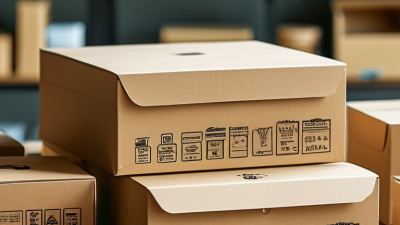
Corrugated shipping boxes are protective containers made from fluted paper between flat linerboards. The inner flute creates air channels that improve cushioning and stacking strength. Different flute sizes support different shipping needs. Fine flutes suit printed retail packs, while larger flutes handle heavier products.
Their role extends beyond holding goods. A properly designed box limits crushing, vibration, and surface damage during transport. It also keeps products grouped in warehouses and helps workers identify contents quickly. Box performance depends on board grade, flute direction, dimensions, and closure method. Humidity matters too. Damp storage can weaken paper fibers and reduce compression strength.
Experienced manufacturers usually test samples before large production runs. Drop tests, edge-crush tests, and compression checks reveal practical weaknesses. A box may appear rigid but fail when stacked overnight. This is easy to miss. Product weight should be measured with internal padding, not alone. Empty space can increase movement and damage during delivery. In one common design mistake, oversized boxes use extra filler but still suffer corner collapse. A tighter fit may work better, although fragile items need controlled clearance. Reliable production also requires consistent paper moisture, accurate die-cutting, and traceable quality checks. Small improvements in these areas can protect goods and reduce material waste.
China Top Corrugated Shipping Boxes Manufacturers – Definition and Role of Corrugated Shipping Boxes
Corrugated shipping boxes are made from one or more fluted paper layers bonded between linerboards.
Flute thickness affects cushioning, stacking strength, printability, and space efficiency.
A-flute generally provides the greatest cushioning, while E-flute offers a thinner profile for small parcels and retail-style packaging.
Key Materials and Box Construction Standards
China Top Corrugated Shipping Boxes Manufacturers
Key Materials and Box Construction Standards
Corrugated shipping boxes begin with paper, not machinery. Kraft liner provides surface strength and print stability. Test liner can reduce cost while supporting ordinary distribution. Fluting creates the air space between liners. It cushions products and improves stacking performance.
The most common profiles include single-wall and double-wall construction. Single-wall board suits lighter parcels and short routes. Double-wall board offers better compression for heavier loads. Material selection should match product weight, humidity, stacking height, and transport distance. Moisture changes everything. A dry warehouse test may not represent a rainy delivery route.
Reliable manufacturers normally verify edge crush strength, burst resistance, and box compression. ECT testing measures how well board resists crushing along its edges. BCT testing estimates stacking capacity for the finished box. Common technical references include ASTM, ISO, FEFCO, and ISTA procedures. The exact method should match the shipping environment and testing laboratory.
Box design also affects performance. Proper flap length prevents open seams and weak corners. Clean scoring helps the box fold without tearing. Internal dimensions should leave limited movement around the product. Too much empty space increases impact risk. Too little space creates pressure during packing. In factory inspections, I have seen attractive boxes fail because of poor joint alignment. Stronger paper is not always the answer. Better geometry, accurate moisture control, and consistent quality checks often matter more.
Leading Corrugated Box Manufacturers in China
Leading corrugated box manufacturers in China combine material knowledge, production discipline, and export experience. They usually offer kraft liner, test liner, and recycled paper options for different shipping conditions. Reliable manufacturers check paper strength, flute structure, moisture resistance, and compression performance before shipment. These details matter when boxes face stacking, vibration, and humid warehouses.
Experienced factories can develop single-wall, double-wall, and heavy-duty corrugated boxes. They also support custom dimensions, printing, die-cutting, partitions, and protective inserts. A practical supplier should explain flute profiles clearly, rather than pushing the cheapest option. Samples help buyers test folding accuracy, joint strength, and loading efficiency. Ask for recent quality records and inspection procedures.
Manufacturing capacity alone is not enough. Communication, schedule control, and traceable materials influence the real buying experience. Some factories respond quickly but provide weak technical guidance. Others have strong equipment yet overlook small printing or sizing errors. No factory is perfect. Careful buyers should compare samples, production tolerances, and replacement policies before placing large orders. Sustainable paper choices can reduce waste, but recycled content may affect stiffness in demanding applications. Honest manufacturers will discuss that trade-off openly and suggest adjustments based on product weight, transport distance, and storage conditions.
Production Capabilities and Quality Control
China Top Corrugated Shipping Boxes Manufacturers: Production Capabilities and Quality Control
China’s leading corrugated shipping box manufacturers combine automated converting lines with experienced production teams. The Fibre Box Association’s 2023 Annual Report recorded more than 380 billion square feet of corrugated shipments in the United States. This scale highlights why stable output and repeatable quality matter. Modern factories typically control flute selection, paper moisture, board strength, printing accuracy, and die-cutting tolerances. Equipment may include high-speed corrugators, flexographic printers, folder-gluers, and automatic stackers. Production data should be traceable by batch, paper grade, machine, and operator.
Quality control begins with incoming paper inspection. Technicians check basis weight, moisture, ring crush, and edge crush strength. Finished boxes may undergo ECT, bursting strength, Cobb water absorption, and compression testing. ISTA laboratory procedures can simulate vibration, drops, and warehouse stacking during transport. Smithers’ market research on corrugated packaging also identifies lightweighting and recyclable fiber as major industry directions. However, thinner board is not automatically better. A box can save material yet fail under humid storage conditions. That mistake remains common.
Reliable suppliers use sampling plans, calibrated instruments, and corrective-action records. ISO 9001 systems can support this discipline, but certification alone proves little. Factory audits should compare test results with actual production lots. Digital inspection helps detect crushed edges, weak glue joints, and color variation. A perfect factory is a myth. Even strong manufacturers need feedback from real shipments, because laboratory conditions never capture every warehouse, route, or seasonal humidity.
How to Select a Reliable Chinese Box Manufacturer
Selecting a reliable Chinese corrugated box manufacturer requires more than comparing unit prices. Ask for specifications in writing, including flute type, paper GSM, edge crush test, burst strength, and moisture resistance. A serious supplier should explain how these values fit your shipping weight and stacking conditions. Request recent production samples, not only polished photographs. Open the boxes, measure panels, and inspect glue lines, folds, and print registration. Small defects become expensive.
Factory verification matters. Review business licenses, production capacity, quality procedures, and export experience through independent checks where possible. Ask who performs incoming paper inspection and how often finished cartons are tested. Reliable factories can share batch records, inspection reports, and a clear replacement process for nonconforming goods. Confirm equipment maintenance and backup plans. A cheap quotation means little if one damaged cutting die delays your shipment.
Communication is another practical test. Send a detailed drawing and see whether the technical team identifies weak corners, incorrect dimensions, or unrealistic tolerances. Confirm lead time, sample approval, packaging, payment terms, and shipping responsibilities before production. Keep a signed specification sheet. It protects both sides. Do not ignore uneasy signals. Ask for evidence. A factory may sound professional yet answer slowly or change details repeatedly. A smaller supplier with transparent controls can be safer than a larger one with vague promises. Stay cautious. Recheck everything before placing a large order.