Why Choose Custom Printed Boxes for Your Business?
Packaging is no longer a silent container. It is often the first physical contact between a customer and a brand. Custom printed boxes place your logo, colors, and product message directly in that moment. A clean box on a doorstep can feel more deliberate than a plain carton. Small details matter, including readable labels, strong folds, and consistent colors.
Industry research supports this shift. McKinsey & Company reported that 60–70% of surveyed consumers were willing to pay more for sustainable packaging in several major markets. Its packaging research also identified recyclability and material reduction as growing purchase considerations. Smithers’ global packaging forecasts show continued expansion in packaging demand, driven by e-commerce, convenience, and brand differentiation. These reports do not guarantee sales. They show a market becoming more demanding.
Custom printed boxes can improve recognition, support unboxing content, and create a more professional delivery experience. They may also reduce unnecessary inserts when one well-designed package carries essential information. However, printing is not automatically sustainable or cost-effective. Excess ink, oversized cartons, weak materials, and poor storage planning can create avoidable waste. The best choice depends on product weight, shipping distance, opening habits, and recycling access. That part is easy to underestimate. A practical packaging review should compare material strength, print coverage, supplier certifications, and total delivered cost. Used carefully, custom printed boxes become more than decoration. They become a measurable brand touchpoint, with room for improvement.
Custom printed boxes are packaging made with a specific size, structure, and visual design. Unlike plain stock cartons, they can carry your logo, product details, colors, and handling instructions. The artwork is printed directly on paperboard or corrugated material. Some designs use a simple one-color print, while others use several colors and protective coatings.
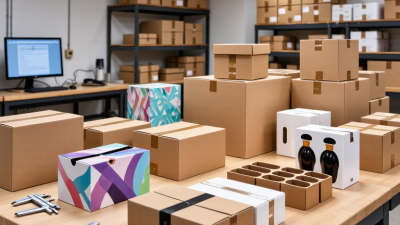
A well-made box begins with accurate measurements. The inner length, width, and height should fit the product without excessive movement. A packaging specialist usually prepares a dieline before printing. This template shows folds, cutting lines, glue areas, and safe printing zones. Material choice also matters. Lightweight paperboard suits small retail items, while corrugated board offers more cushioning during delivery. Sample boxes should be tested before a large order. Check the folds, lid strength, color accuracy, and product fit.
In practical packaging work, small details often create the biggest problems. A dark ink may look different on uncoated board. Fine text can lose clarity near a fold. I once underestimated the space needed for protective padding, and the final box felt too tight. That mistake was avoidable. Clear measurements and physical samples reduce similar risks. Custom printing also gives businesses a controlled way to present information, protect products, and create a consistent unboxing experience. The result is not always perfect. Design choices still need review.
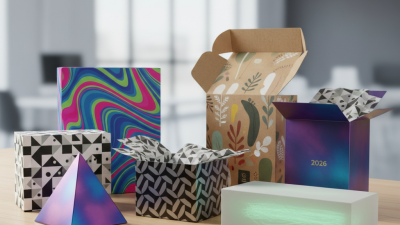
Custom printed boxes turn an ordinary delivery into a recognizable brand experience. Customers notice color, typography, and structure before reading every word. A consistent box design can make your business appear organized and trustworthy. It also helps products stand out on crowded shelves or in online delivery photos.
From my packaging experience, strong brand identity begins with repeatable details. Use the same core colors, logo placement, and visual tone across each box size. A short message inside the lid can create a warmer moment after opening. Consider how the box feels, too. A firm board, clean folds, and accurate printing suggest care without excessive decoration. Practical design often earns more trust than visual noise.
Testing remains essential. Our first sample once looked darker under store lighting than on the design screen. That small difference weakened the intended color balance. Request physical proofs, check text at actual size, and test the box during handling. Ask whether customers can identify the business without seeing the shipping label. If not, the design may need clearer visual cues. Printed boxes also require responsible material choices and honest product information. A beautiful package cannot repair a confusing or unreliable customer experience.
| Evaluation Dimension | Custom Printed Boxes | Plain Boxes | Brand Identity Benefit |
|---|---|---|---|
| Logo Visibility | Logo can be printed directly on the lid, sides, or interior. | Requires separate labels, stickers, or inserts. | Creates consistent visual recognition throughout the customer experience. |
| Color Consistency | Brand colors, patterns, and graphic elements can be reproduced on the packaging. | Usually limited to the natural color of the packaging material. | Supports a recognizable and unified brand appearance. |
| Product Information | Can include product details, care instructions, contact information, and regulatory marks. | Information must be added with labels, printed inserts, or external documents. | Communicates product value and improves information accessibility. |
| Unboxing Experience | Exterior and interior surfaces can be designed as part of the opening experience. | Provides protection but offers fewer visual and storytelling opportunities. | Makes packaging more memorable and emotionally engaging. |
| Design Flexibility | Supports different box structures, print layouts, finishes, and opening styles. | Generally available in standard shapes and sizes. | Allows the package to reflect the product’s positioning and target audience. |
| QR Codes and Digital Links | Can include QR codes that link to product guides, support pages, or digital content. | Requires an added label, card, or separate printed material. | Connects the physical package with the brand’s digital channels. |
| Perceived Product Value | A well-designed package can present the product as more considered and professionally prepared. | Focuses mainly on basic containment and protection. | Helps align packaging presentation with premium, sustainable, or practical positioning. |
| Packaging Protection | Can be specified with suitable board grades, inserts, and dimensions for the product. | Protection depends on the selected standard box size and material. | Combines functional protection with a deliberate brand presentation. |
| Sustainability Communication | Can display recycling guidance, material information, and responsible-use messages. | Provides fewer built-in opportunities for sustainability communication. | Makes environmental information clearer when the chosen materials support those claims. |
| Customer Recall | Distinctive colors, graphics, messages, and structures improve package memorability. | Provides limited visual differentiation from similar packaging. | Strengthens recognition during repeat purchases and future product consideration. |
Custom printed boxes provide more than an attractive outer layer. They shape how customers recognize, handle, and remember a product. In packaging projects, I have seen a well-fitted box reduce movement during delivery. Less movement can mean fewer dents, loose parts, and returns. A clear logo, useful product details, and consistent colors also create a more professional buying experience. However, appearance alone is not enough. A beautiful box with weak board material may fail under pressure.
Custom sizing can reduce empty space and limit the need for extra protective materials. This may lower shipping volume and make warehouse storage easier. Printed instructions, recycling information, and opening guidance can also improve customer confidence. Professional packaging teams usually test boxes with stacking, drop, and moisture checks before production. Small flaws often appear during these tests. That is valuable.
Tips: Match the box structure to the product’s weight and shape. Request a physical sample before ordering in bulk. Check print contrast under natural light. Do not ignore the inner surface. A clean interior can make opening feel intentional. Still, custom printing may increase upfront costs, especially for small quantities. I have also seen excessive decoration confuse customers or hide important information. Review the design with real users, not only on a computer screen. Their reactions may expose details your team missed.
Custom printed boxes can turn a practical package into a visible part of your customer experience. Material selection should begin with product weight, moisture exposure, and shipping distance. Corrugated board suits heavier products and long deliveries. Folding carton works well for lightweight retail items. Recycled paperboard can support sustainability goals, but its fibers may show small color variations. The U.S. EPA reported a 68.2% recycling rate for paper and paperboard packaging in 2018. Choose carefully. The strongest material is not always the most sustainable one.
Size affects protection, freight cost, and the amount of filler required. Measure the product, including fragile edges and accessories. Leave enough clearance for cushioning, but avoid oversized boxes that allow movement. A packaging trial can reveal crushed corners, loose inserts, or difficult opening. These details matter more than a perfect computer mock-up. McKinsey’s 2023 global packaging research found that roughly 60% to 70% of consumers were willing to pay more for sustainable packaging. However, buyers still expect practical protection and convenient handling.
Printing options should match the material and sales channel. Digital printing supports short runs, variable designs, and quick testing. Flexographic printing may reduce unit costs for larger quantities. Matte finishes feel understated, while gloss coatings create stronger shelf contrast. Yet excessive ink or coating can complicate recycling. Keep it honest. Test color under warehouse lighting, not only on a bright monitor. A slightly imperfect first sample is useful; it exposes assumptions before thousands of boxes are produced.
Retail businesses often use custom printed boxes for clothing, cosmetics, accessories, and small electronics. A clean logo, product name, and handling information can make shelves easier to navigate. It also helps staff identify products during storage and restocking.
E-commerce companies use these boxes for direct-to-customer orders. A sturdy mailer protects products while creating a more intentional unboxing experience. Subscription services may print monthly designs, usage instructions, or recycling guidance inside the lid. Small businesses often choose short production runs, allowing them to test box sizes before ordering larger quantities. This approach reduces wasted packaging and reveals practical problems early.
Gift shops, bakeries, craft sellers, and event suppliers also use printed boxes. A bakery may print allergen information and storage instructions near the opening. A gift business might add seasonal artwork without changing the inner packaging. For fragile items, printed symbols can support careful handling, but symbols should not replace proper cushioning or testing.
Details matter. Measure the product after adding protective material, not before. Confirm ink appearance on the actual board, because digital previews can look brighter. I have seen attractive designs fail when text became unreadable at a small size. That mistake is easy to overlook. Packaging should look appealing, but it must also stack, close, ship, and arrive clean.